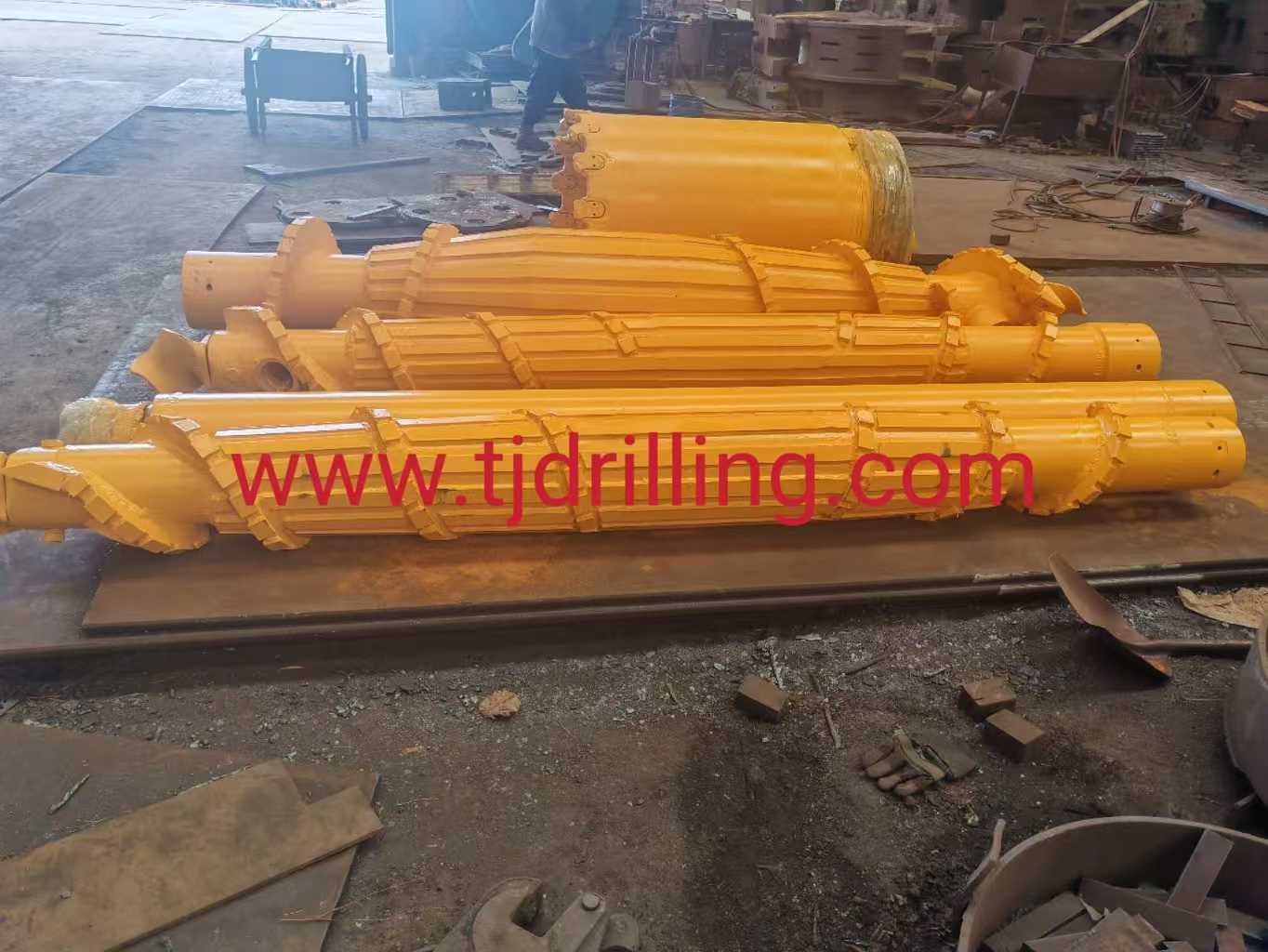
What Is The Advantages of Fdp Auger? 300mm Fdp Auger for Soilmec Rig
Information
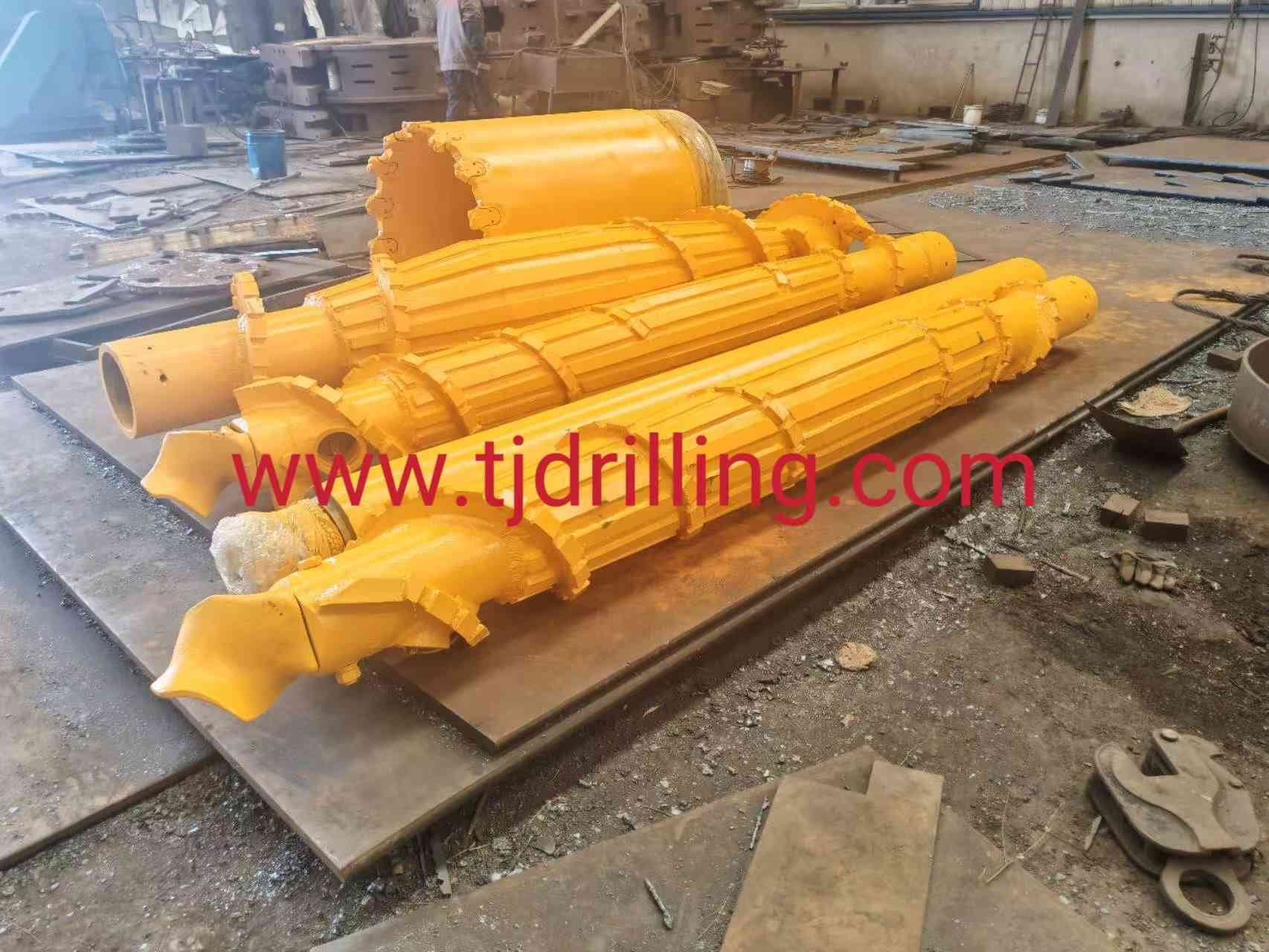
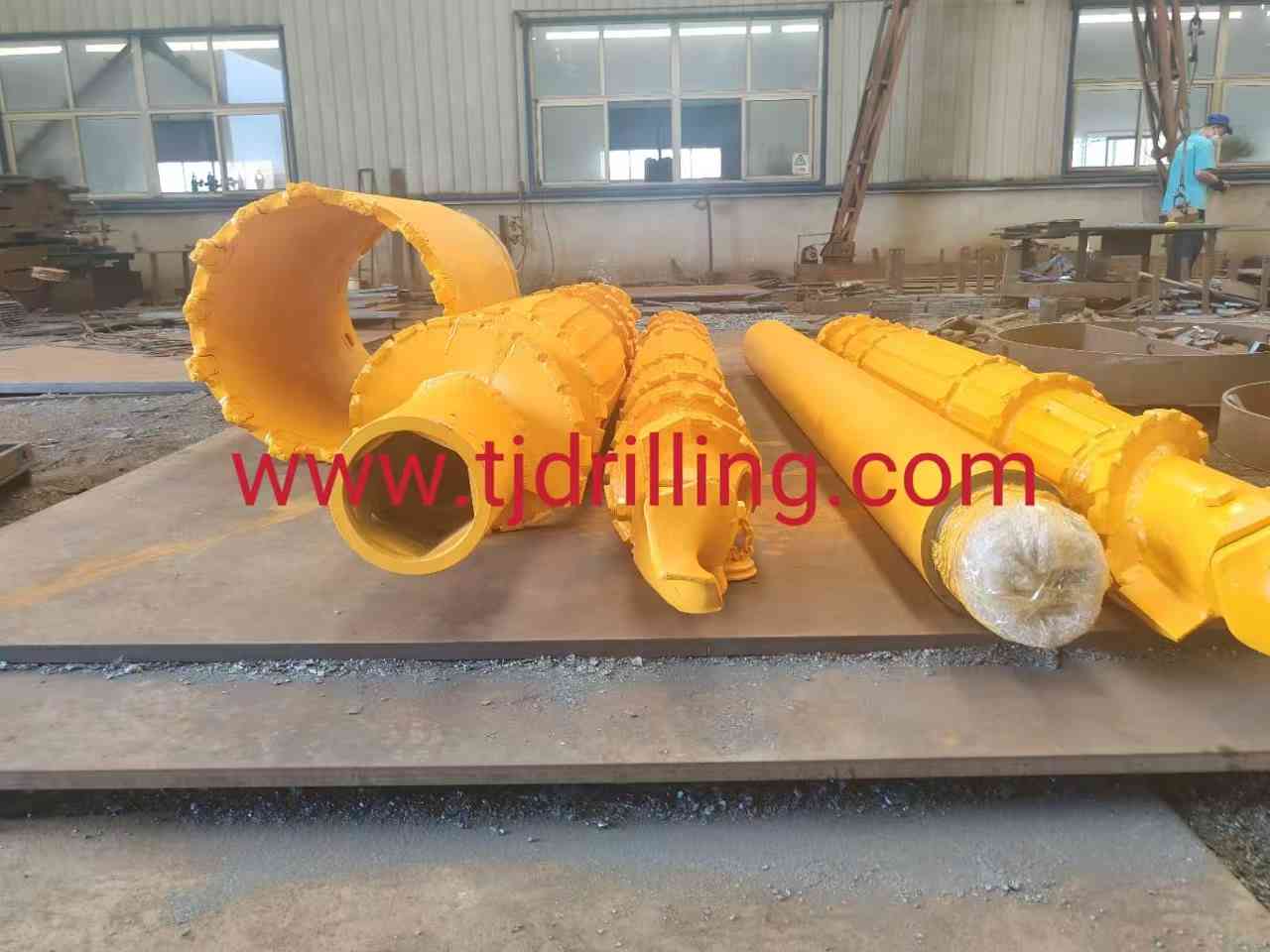
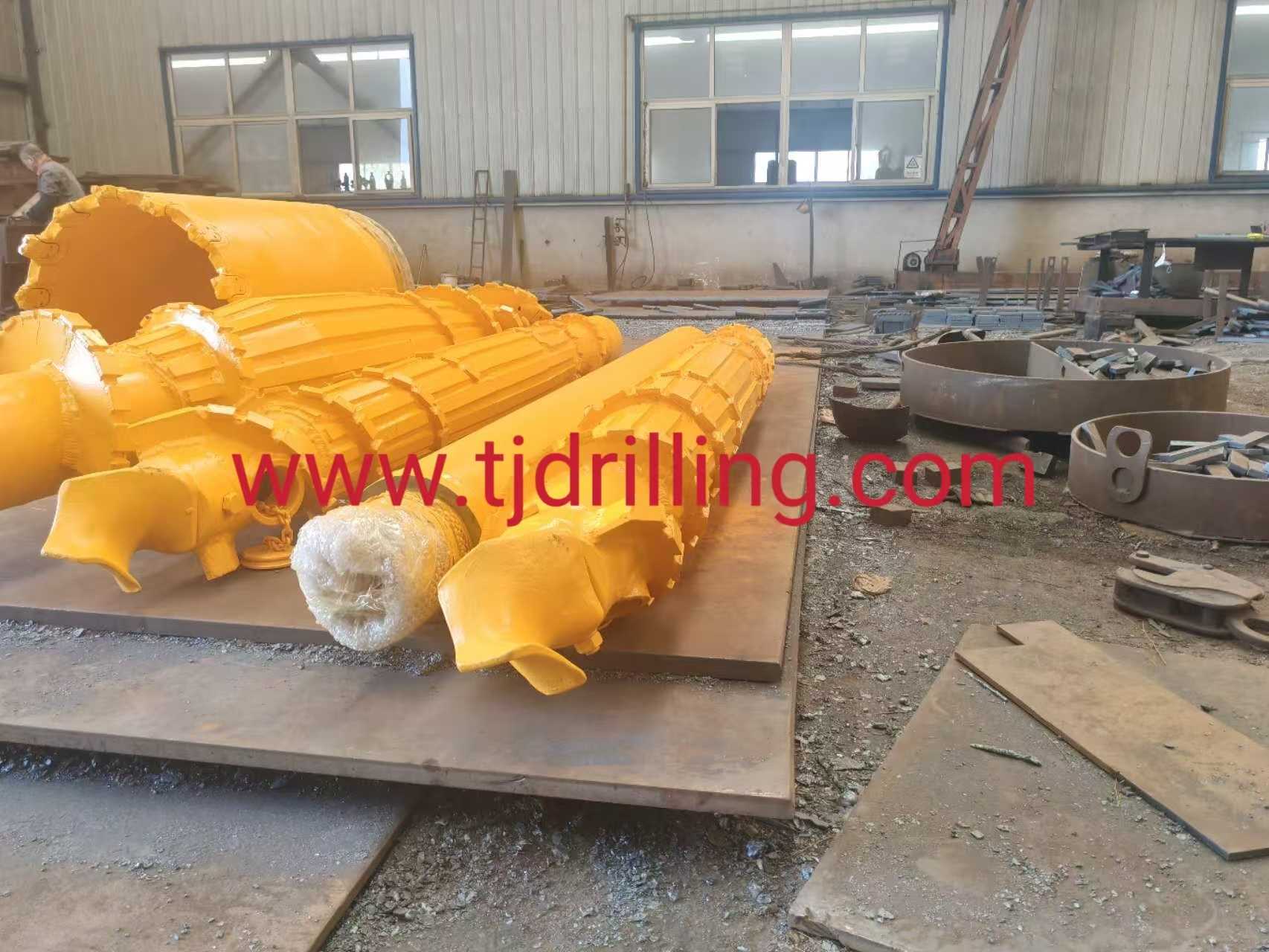
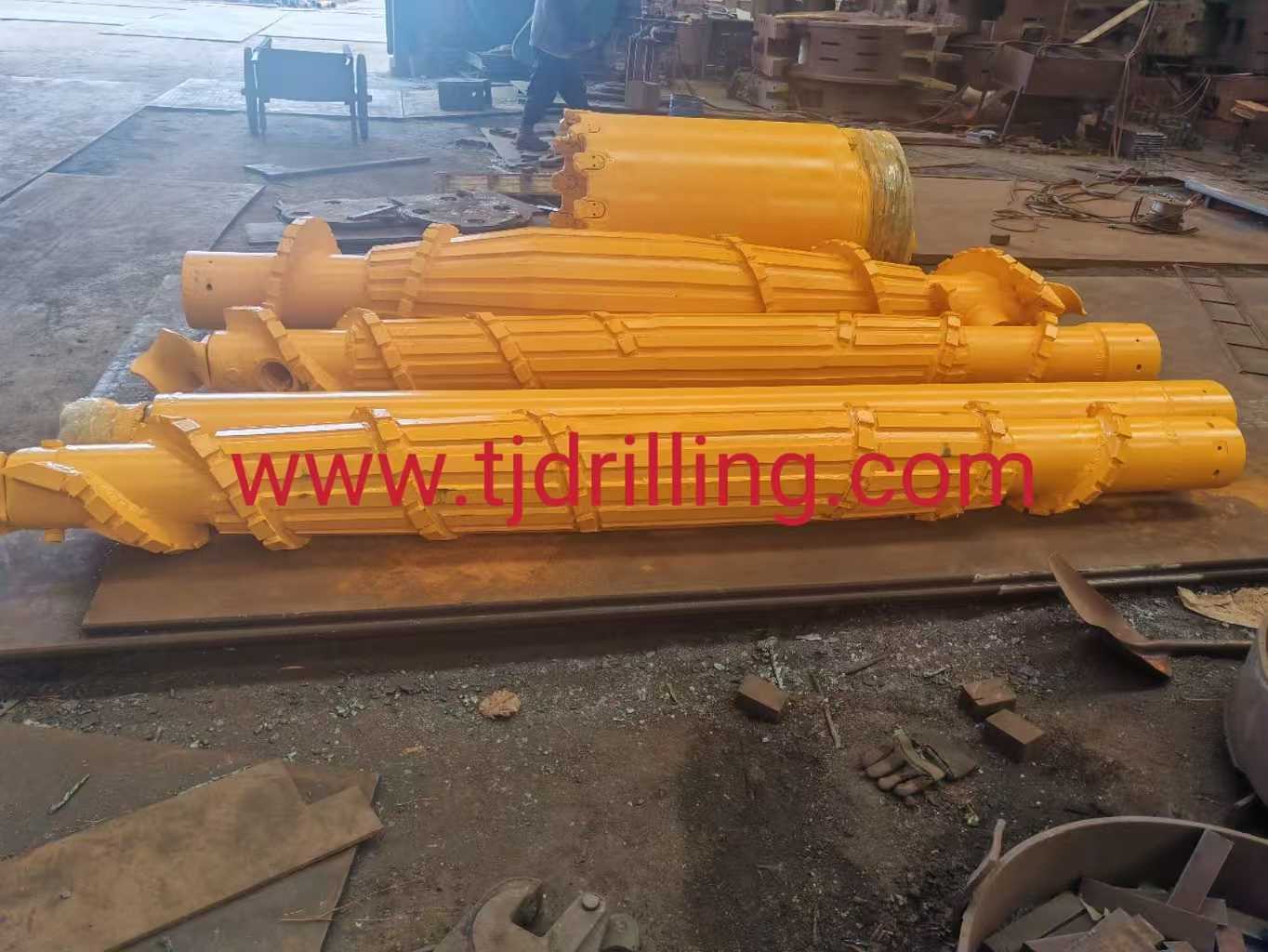
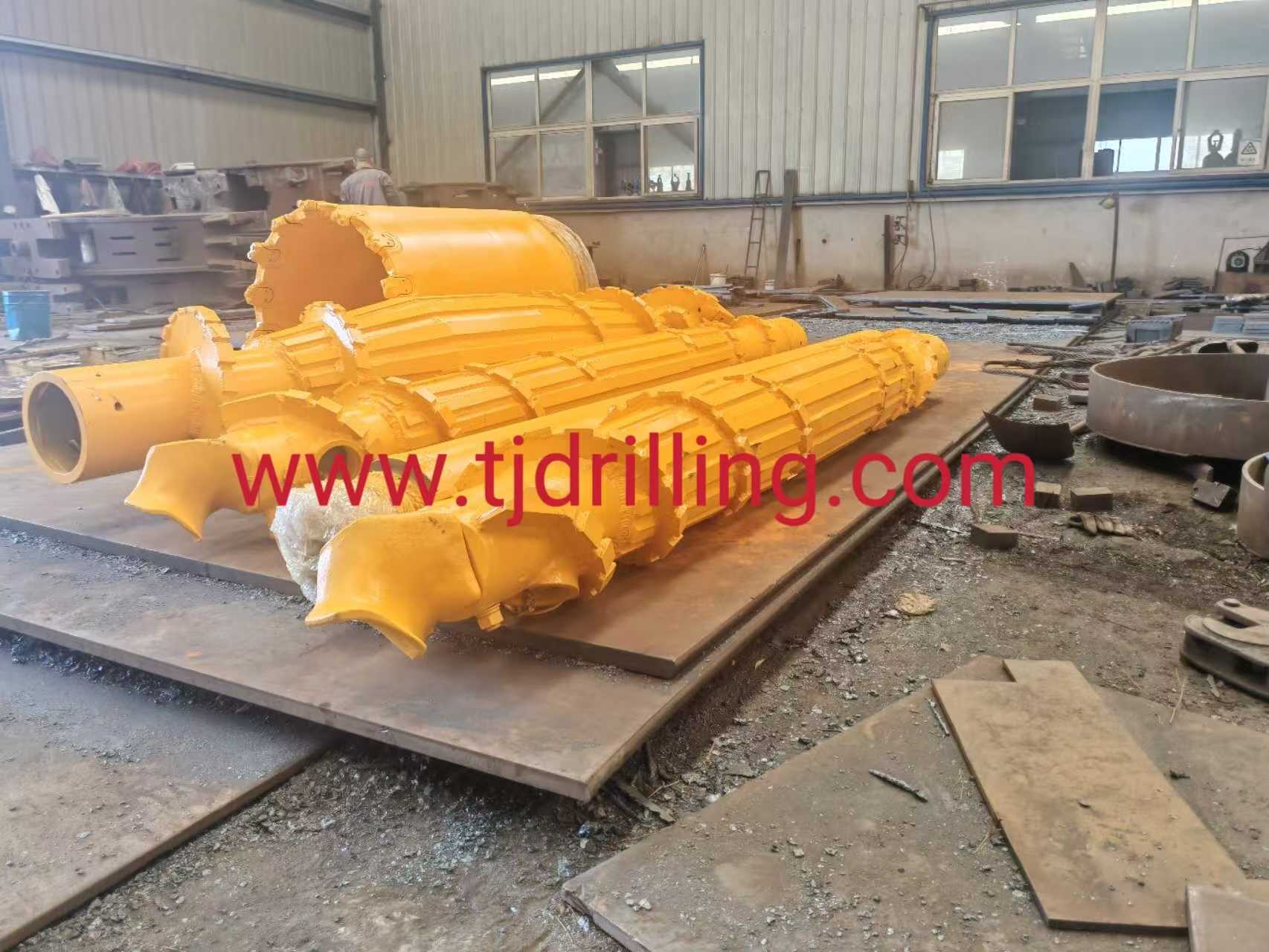 What is the Advantages of fdp auger ? 300mm fdp auger for soilmec rig
300MM FDP AUGER WITH SOILMEC CFA COUPLING HD4 FOR SOILMEC SR30 DRILL RIG FOR FULL DISPLACEMENT PILE300MM FDP AUGER WITH SOILMEC CFA COUPLING HD5 FOR SOILMEC SR45 DRILL RIG
300MM FULL DISPLACEMENT PILE AUGER WITH SOILMEC CFA COUPLING HD5 FOR SOILMEC SR40 DRILL RIG
300MM FDP AUGER WITH SOILMEC CFA COUPLING HD5 FOR SOILMEC SR65 DRILL RIG FOR FULL DISPLACEMENT PILE
Tianjin huachang xingye technology co ltd produce full displacement piles ,fdp coupling , fdp string , fdp kelly extensions , fdp tools 300-600mm for any brand of rigs
A Full Displacement Pile (FDP)-also referred to as a lateral displacement pile-is a cast-in-situ concrete piling system that combines the structural benefits of a driven displacement pile with the low-vibration execution of a bored pile.
Unlike Continuous Flight Auger (CFA) or Kelly drilling methods that excavate and extract soil to the surface, the FDP technique uses a specialized displacement tool to force the soil laterally into the surrounding matrix. This compacts and densifies the ground during advancement, improving the engineering properties of the adjacent soil.
Construction Sequence
The execution of an FDP is a highly controlled, continuous process managed via a high-torque rotary drilling rig equipped with integrated data-logging systems to track torque, penetration rate, and concrete pressure.
Lateral Displacement: As the tool advances, a short starter auger at the tip loosens a minimal amount of soil. This loosened material is immediately forced outward into the borehole walls by a wider, solid, conical displacement body located just above the tip. This creates a smooth, highly compacted cavity without removing material.
Concreting: Upon reaching the design depth, concrete (typically highly fluid, self-compacting concrete with optimized aggregate sizes) is pumped under constant positive pressure through the hollow stem of the drill string.
Controlled Extraction: The tool is withdrawn at a regulated rate. The pressure of the injected concrete fills the void left by the tool, maintaining lateral pressure against the freshly densified borehole wall to prevent any decompression or collapse.Reinforcement Installation: Immediately after the drill string is fully extracted, the reinforcement cage is plunged into the fresh concrete. For deep or full-length cages, a top-mounted high-frequency vibrator is often utilized to assist installation.
Technical Advantages & Limitations
Advantages
Zero Spoil Generation: Because no soil is brought to the surface, it eliminates the logistics, transport, and tipping fees associated with drilling waste. This is exceptionally beneficial when operating in contaminated or environmentally sensitive ground.
Borehole Stability: The displacement body acts as a continuous internal support during drilling, making the process highly reliable in unstable, caving, or high-groundwater strata.
Low Noise and Vibration-Free: The rotary displacement mechanism minimizes noise and eliminates high-impact vibrations, making it well-suited for urban infill sites or areas adjacent to sensitive heritage structures.
, Limitations
High Equipment Demands: Pushing and twisting a solid displacement body requires a specialized rotary drilling rig with massive torque capacities and significant crowd/extraction forces compared to standard auger setups.Strata Restrictions: The system is strictly limited to displaceable formations (silts, clays, loose to medium-dense sands/gravels). It is generally unsuited for dense rock, hard overconsolidated clays, or thick strata with high Standard Penetration Test counts (typically restricted to soils with an SPT < 30 or CPT < 10-15 MPa).
Dimensional Boundaries: Due to the physical resistance of displacing soil, diameters typically range from 360 mm to 620 mm (sometimes up to 800 mm), with depths usually restricted to 25-30 meters depending on the rig's mast configuration.