Information
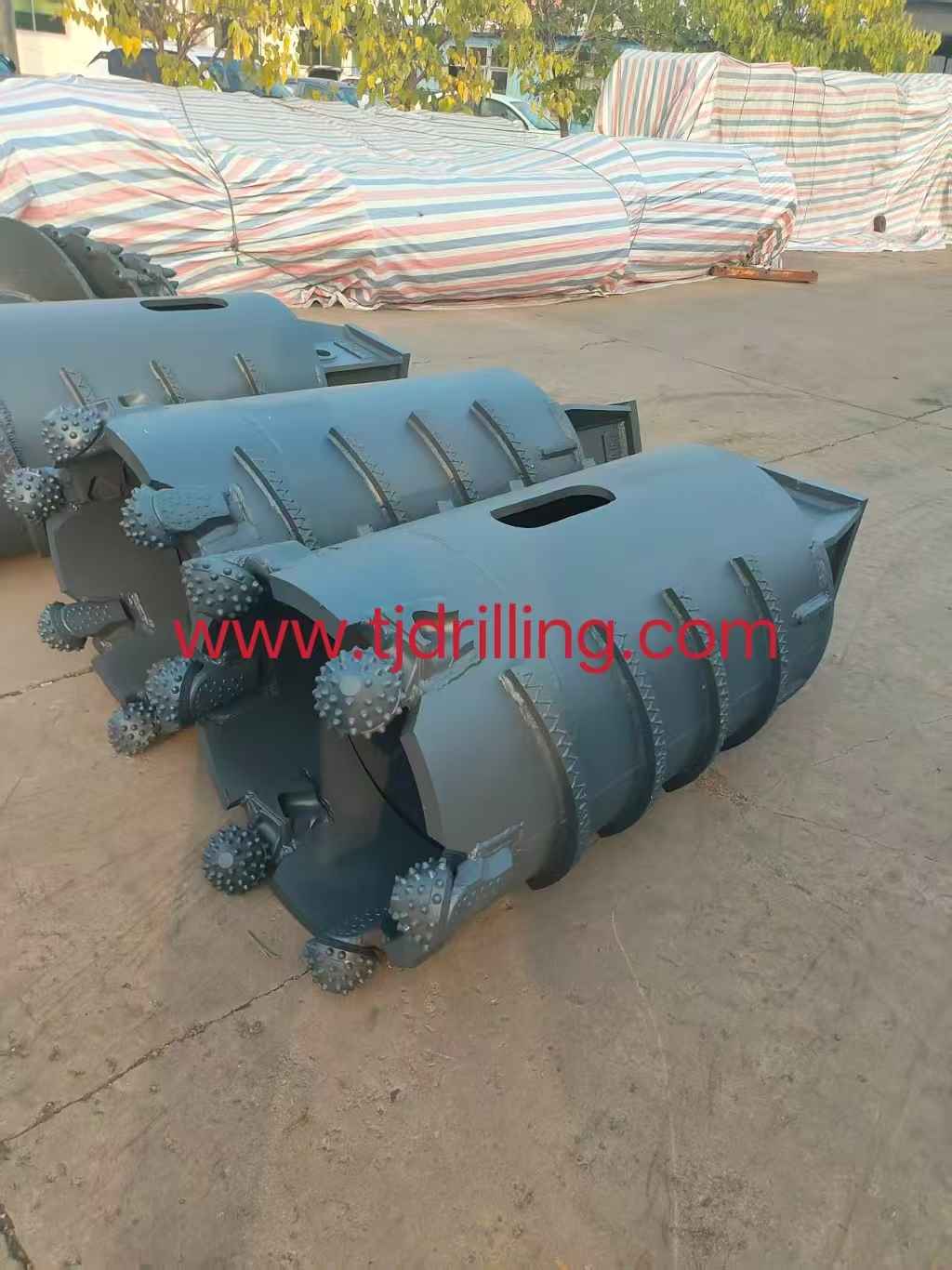
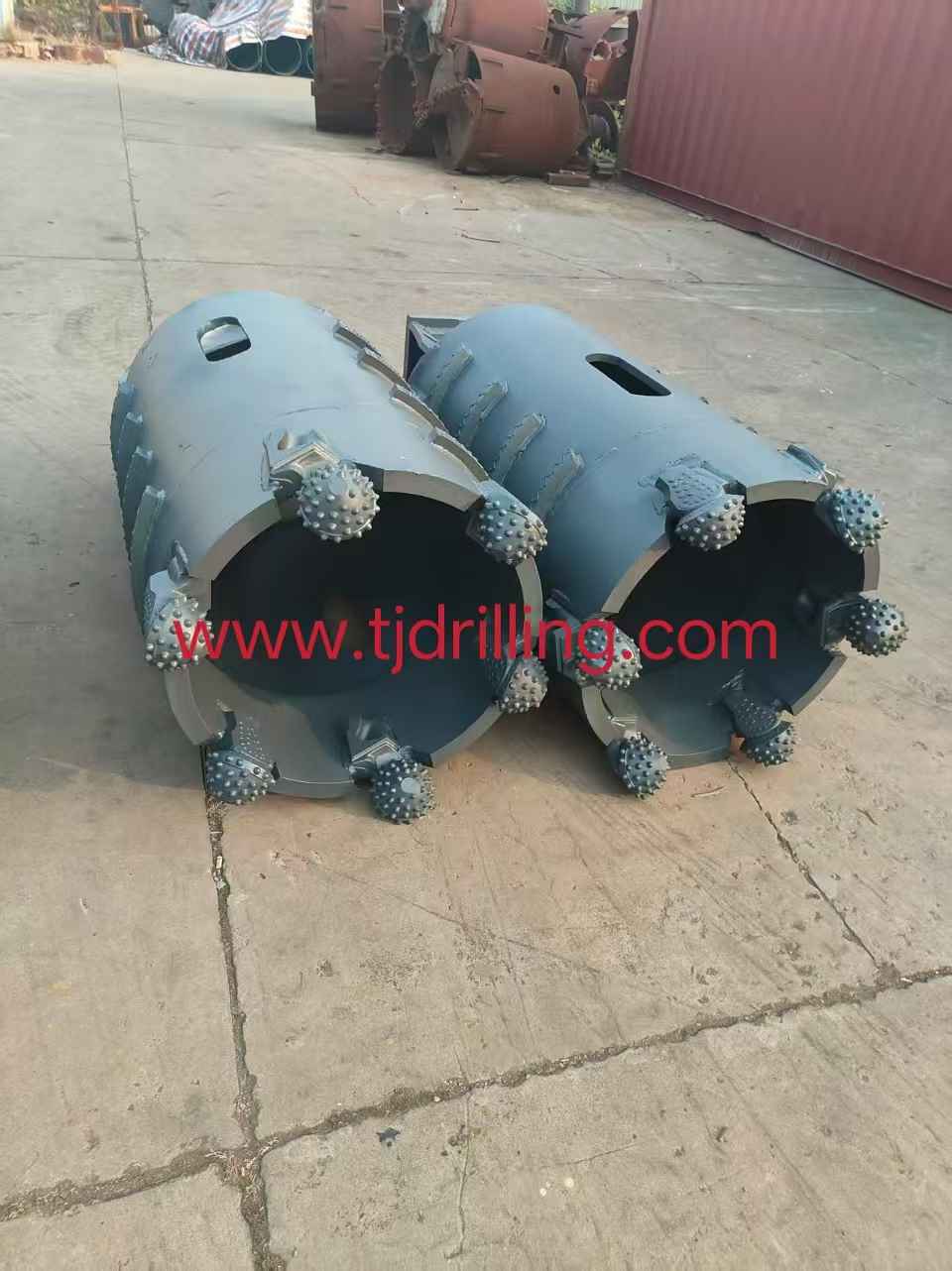
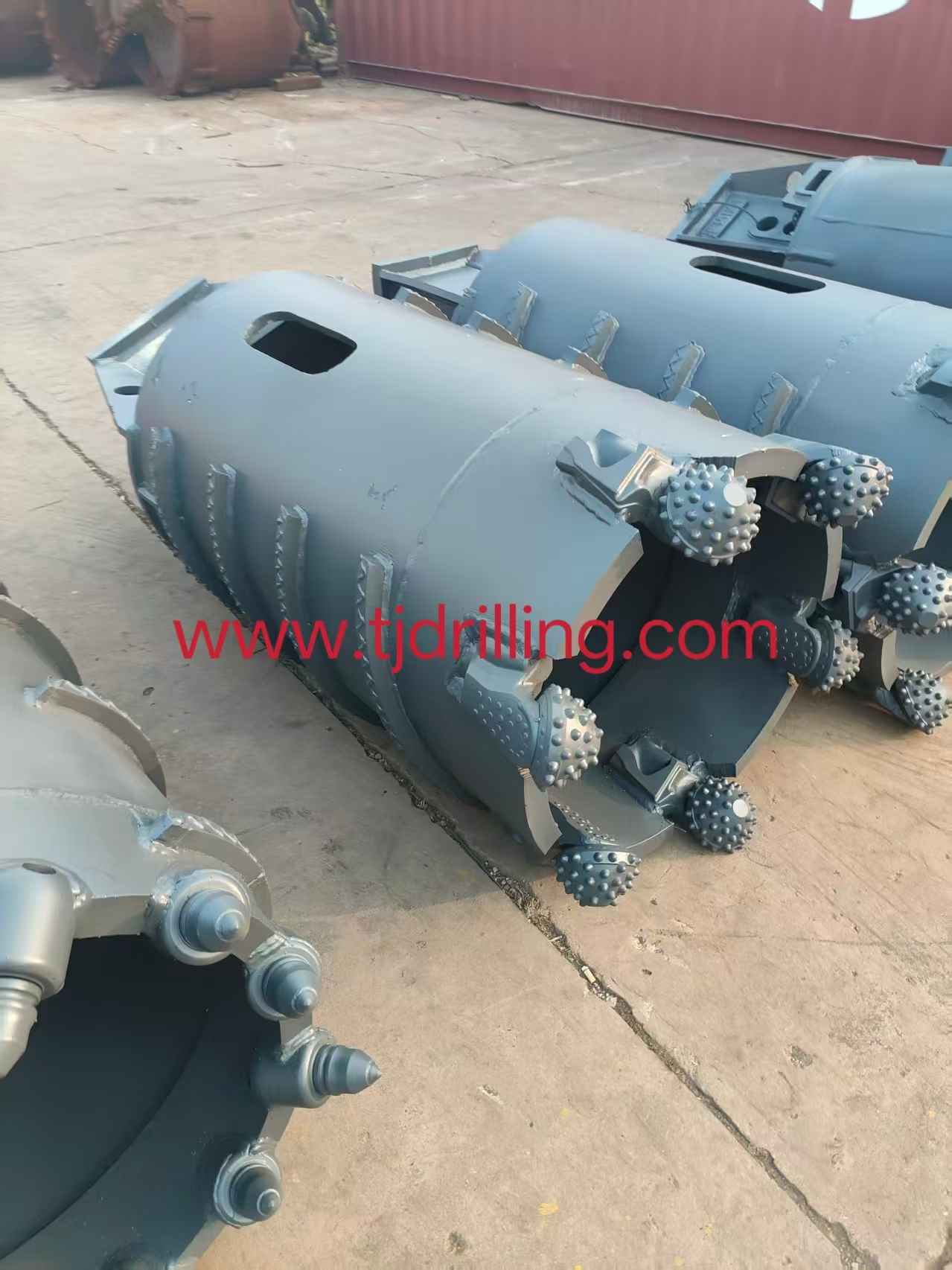
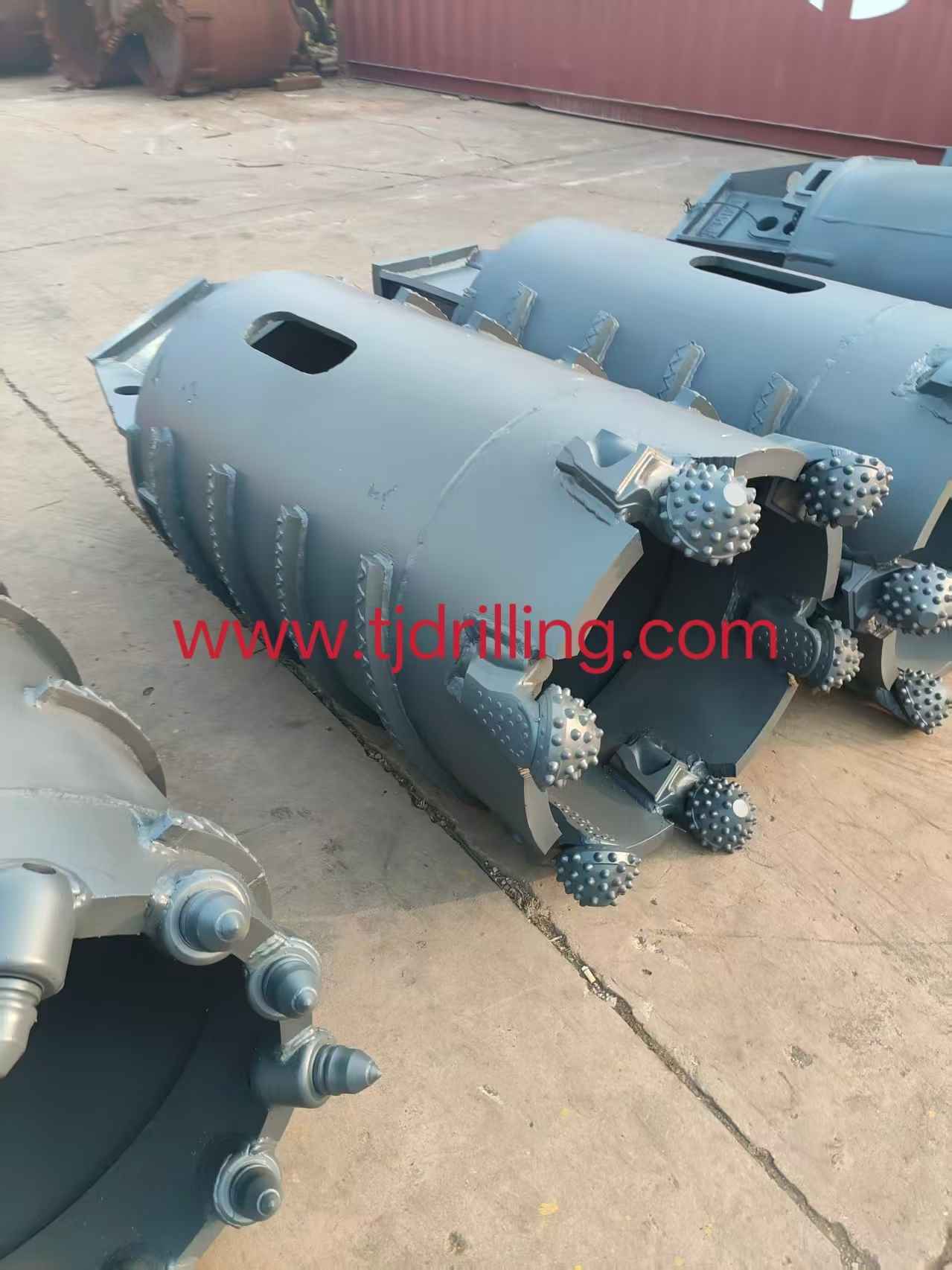
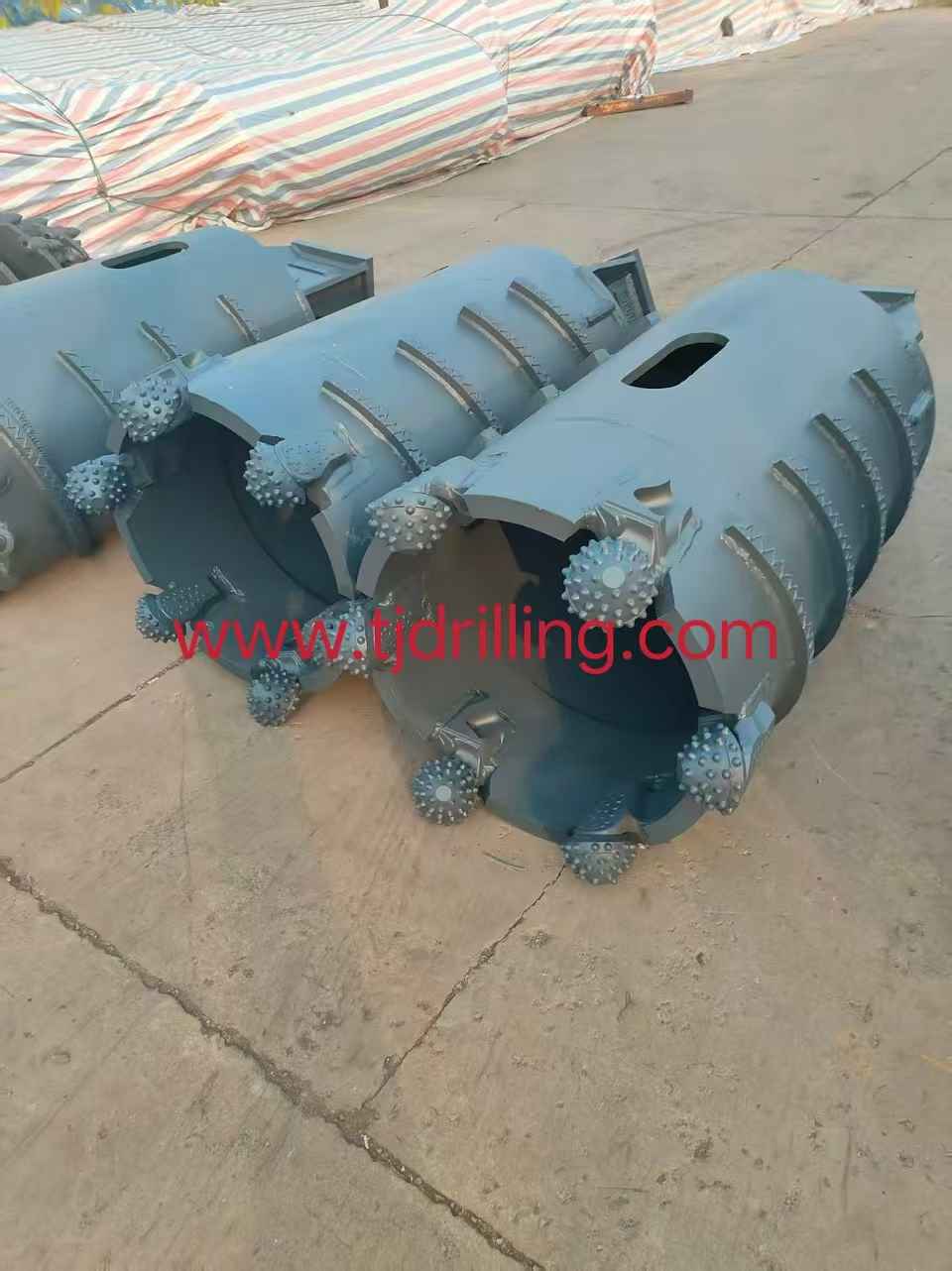 800mm roller bit core barrel for 200mpa hard rock layer for soilmec sr65 rig
800mm core barrel with roller bit used for 150mpa hard rock for soilmec sr70 drill rig
800mm roller bit core barrel for 100mpa hard rock for bored pile foundation work
TIANJIN HUACHANG XINGYE TECHNOLOGY CO LTD Roller Bits Core BarrelMain application:-
core barrel equipped with roller cutter bits
Generally used to cut very hard fractured, hard rock formation with compressive strength up to (200 MPa).
Features:-
Kelly box: 130-150-200 – other available upon request
Teeth: Single roller bit c/w bearing and carbide insert IADC 637 or IADC 737 – diam. 8.5 inch.
Cutting ring with tungsten roller bits welded into
the base ring of core barrel.
Wear protection: hard facing (standard)
or wear stripe (optional)
or tungstuds (optional)
A roller bit core barrel (often referred to as a core barrel with roller cutters) is a specialized heavy-duty drilling tool used in foundation engineering and deep piling. It is specifically designed to cut through extra-hard rock formations (such as granite, basalt, and reinforced concrete) where standard tungsten carbide bullet bits or clay teeth fail.
Instead of scraping the rock, it uses the compressive force of rotating roller cones to crush it.
How It WorksA roller bit core barrel operates by cutting an annular (ring-shaped) groove into the rock substrate rather than fracturing the entire borehole diameter at once.
The Cut: The rig applies high downward pressure (crowd force) and torque, causing the roller bits at the base of the barrel to rotate and crush a circular path.
The Core: As the barrel advances downward, a solid central cylinder of rock (the "core") is left intact inside the barrel.
Extraction: Once the barrel reaches its maximum depth capacity, the rock core is sheared off at the base (often using core lifters or specialized extraction tools) and lifted out of the hole.
Key ComponentsThe Barrel Shell: A thick-walled steel cylinder designed to withstand immense torsional and compressive stress.
Roller Bits (Cones): Mounted along the bottom cutting edge. These are typically heavy-duty Tungsten Carbide Insert (TCI) roller cutters, similar to those used in oil well drilling. They are positioned at strategic angles to clear both the inner and outer cutting diameters.
Kelly Box: The connection point at the top of the barrel that couples it to the drilling rig's Kelly bar.
Ventilation/Flushing Holes: Located near the top to allow water and displaced slurry to escape as the barrel plunges into the borehole.
When to Use a Roller Bit Core Barrel|
Specification |
Typical Application |
|
Rock Hardness |
Highly effective in formations with Unconfined Compressive Strength (UCS) exceeding 100 MPa (up to 250+ MPa). |
|
Common Formations |
Quartzite, basalt, hard granite, gneiss, and heavily reinforced concrete obstacles. |
|
Alternative Tools |
When rock is softer (< 60-80 MPa), a bullet bit core barrel is typically faster and more cost-effective. Roller bits are reserved for when bullet bits simply dull or break without making progress. |
Depending on the specific drilling conditions, these barrels come in a couple of configurations:
Staggered Bit Arrangement: The roller cones are offset internally and externally to ensure the cut path is wide enough so the steel barrel shell never rubs or binds against the borehole wall.
Replaceable vs. Welded Shafts: High-end models feature bolt-on or pin-secured roller bits, allowing for quick field replacement when the bearings or carbide teeth wear out, rather than needing extensive welding.