Functions of Diaphragm Wall Stop End, 600mm Diaphragm Wall Stop End
详细信息
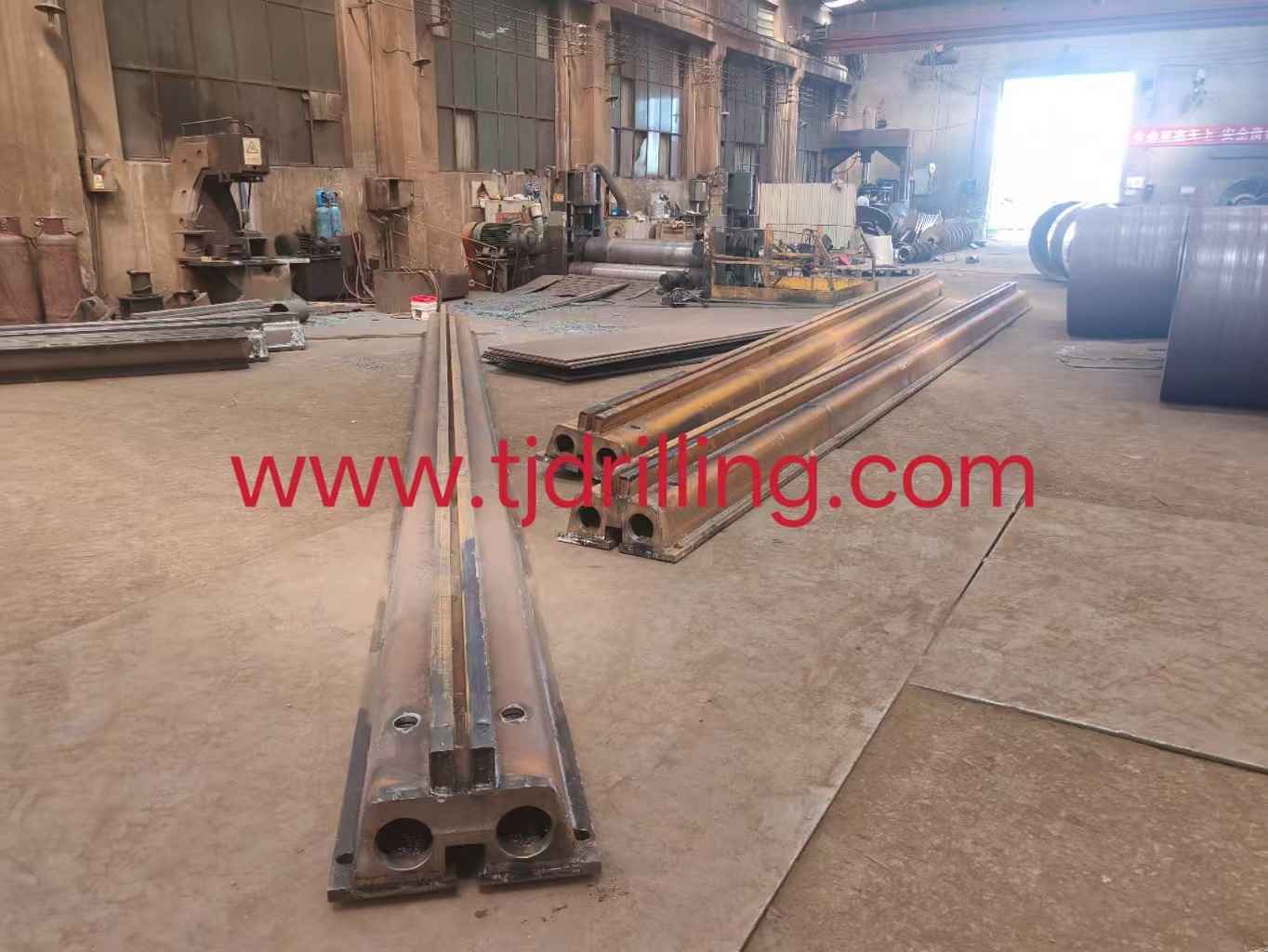
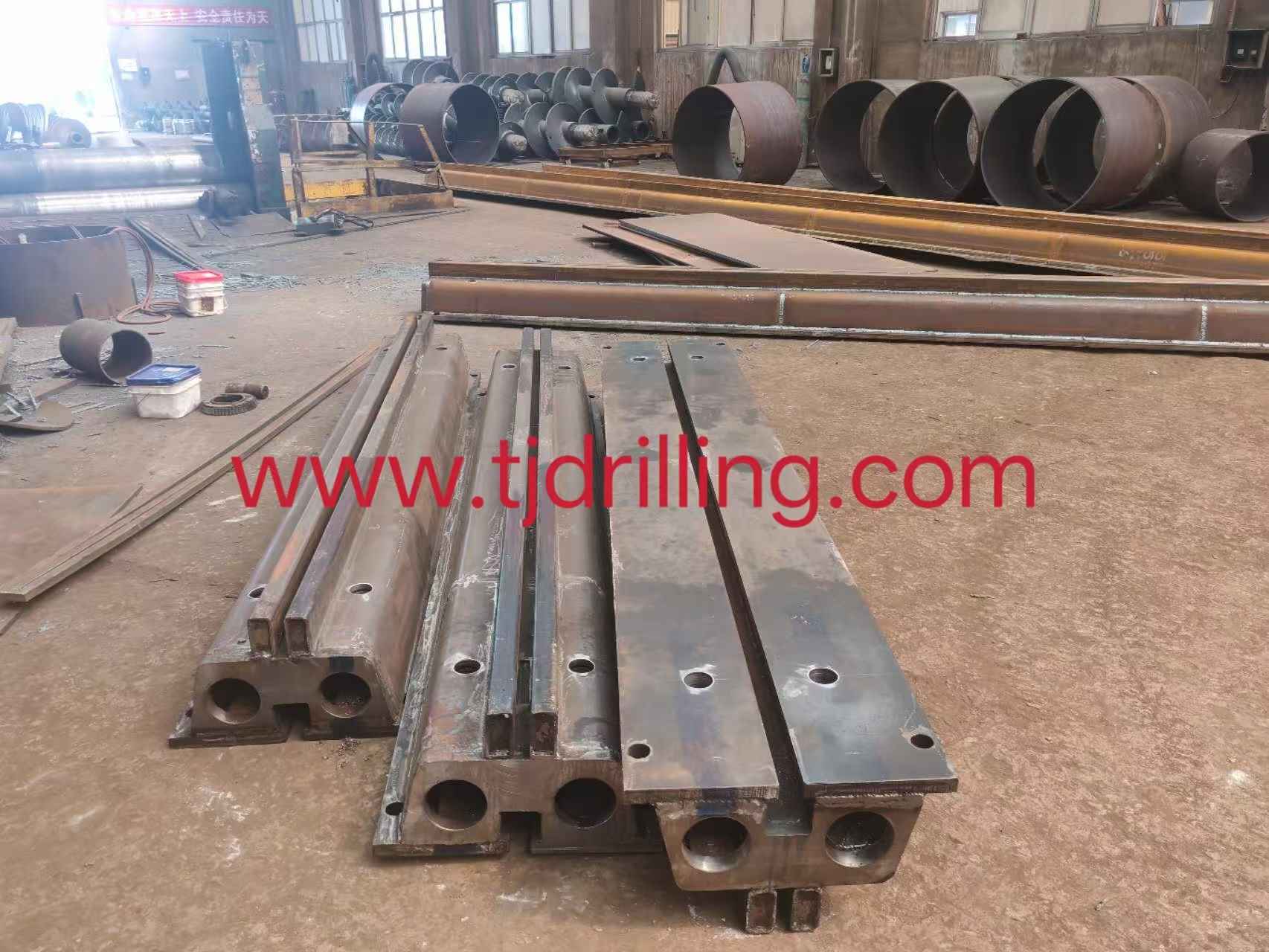 Functions of diaphragm wall stop end , 600mm diaphragm wall stop end
600mm diaphragm wall joint elements
In diaphragm wall (D-wall) construction, stop end elements (or joint elements) are temporary or permanent components installed vertically at the ends of an excavated panel before concrete is poured.
They play a critical role in ensuring the structural integrity, alignment, and water-tightness of the entire perimeter wall.
Primary Functions of Stop Ends
In deep foundation construction, a diaphragm wall (d-wall) is built in sequential, alternating sections called panels (typically primary and secondary panels). Because the wall isn't poured all at once, stop-ends (also known as joint tubes, waterstop tubes, or end pipes) are temporarily or permanently placed at the ends of a freshly excavated panel before concrete is poured.
Here is exactly why they are critical to the structural integrity of a diaphragm wall:
1. Creating a Clean, Formed Joint
When you pour concrete into a primary panel trench, the concrete naturally wants to flow and slump into the unexcavated soil at the sides. A stop-end acts as a shutter or formwork at the vertical edge of the panel. This ensures that the panel has a clean, defined, and controlled geometric shape, preventing concrete from bleeding into the adjacent soil that still needs to be excavated for the next panel.
2. Ensuring Watertightness (Waterstop Installation)
Diaphragm walls are frequently used as retaining structures for deep basements, subways, or dams where groundwater is a major issue.
The stop-end is designed to hold a flexible rubber or PVC waterstop belt (frequently called a barette or waterstop strip) in place.
When the concrete is poured, half of this waterstop is embedded in the primary panel.
Once the stop-end is removed and the adjacent panel is excavated and poured, the other half of the waterstop becomes embedded in the new panel, creating a continuous, watertight seal across the joint.
3. Guiding Excavation Tools
When the heavy machinery (like a hydraulic grab or a hydrofraise/cutter) moves in to excavate the adjacent secondary panel, the curved or shaped profile left behind by the stop-end acts as a natural guide. It prevents the tool from drifting, ensures vertical alignment, and helps the excavation tool cleanly bite into the joint without damaging the existing concrete panel.
Diaphragm wall STOP END ELEMENT MAIN FEATURES
Why use a diaphragm wall stop end ?
During production of cast in situ concrete diaphragm walls, the most important factor, especially to achieve a watertight joint, will be the use of the right stop end elements. They contain the concrete on the lateral side meanwhile they create a particular casting profile that offers a high seal against water infiltration.
Diaphragm wall stop end have two type , one is diaphragm wall flat stop end , another is diaphragm wall round stop end pipe
Diaphragm wall Stop End Elements are coupled together through special steel shafts even better special o-ring ensure a perfect seal between the areas of the diaphragm.
Diaphragm wall flat stop end are coupled with steel shafts , materials:42Crmo
They are made of sheet metal welded and its special profile is achieved by a process of press bending and finally an internal reinforcing structure increases its strength and avoids the risk of deformation.
The excavation of a follow-up panel is carried out by clamshell grab, with the help of a special flat chisel if needed, both guided by the channel in the pipe. While digging, these tools clean the exposed side of the pipe. The design of the Stop End Elements, and its constructive characteristics, allows a spontaneous lateral movement after the excavation, making a delayed extraction very easy. The continuity of two following panels is guaranteed even in the presence of small vertical deviations, because the excavation is guided along the stop end element. With this method as opposed to other working system, there is no urgency to remove the stop end element. It can be left in place for days or even weeks before extraction. A water stop can be added to the stop-end element to improve water tightness between joints. For this purpose, a special rubber seal will be mounted on the side of Stop End Element which will come into contact with the concrete. The lateral movement of the stop-end element during extraction leaves the water-stop fixed in the concrete. Tianjin huachang xingye technology co ltd can supply diaphragm wall Stop End Elements in various widths and lengths. They are easily jointed each other through special steel. The Stop End Elements are: the diaphragm wall stop end lift head element that is used for their lifting and extraction, intermediate elements and bottom stop end elements. In addition, to facilitate the use of Stop End Elements,tianjin huachang xingye technology co.,ltd manufactures diaphragm wall chisel (dedicated to the cleaning of the channel guide) and a Platform Suspension Jig (dedicated to the support of Stop End Element during installation)
| Width mm | A | B | C | LENGTH |
| 500mm | 480MM | 236MM | 220MM | 3M,6M,9M |
| 600mm | 580MM | 336MM | 220MM | 3M,6M,9M |
| 800mm | 780MM | 536MM | 220MM | 3M,6M,9M |
| 1000mm | 980MM | 736MM | 220MM | 3M,6M,9M |
| 1200mm | 1180MM | 936MM | 220MM | 3M,6M,9M |