详细信息
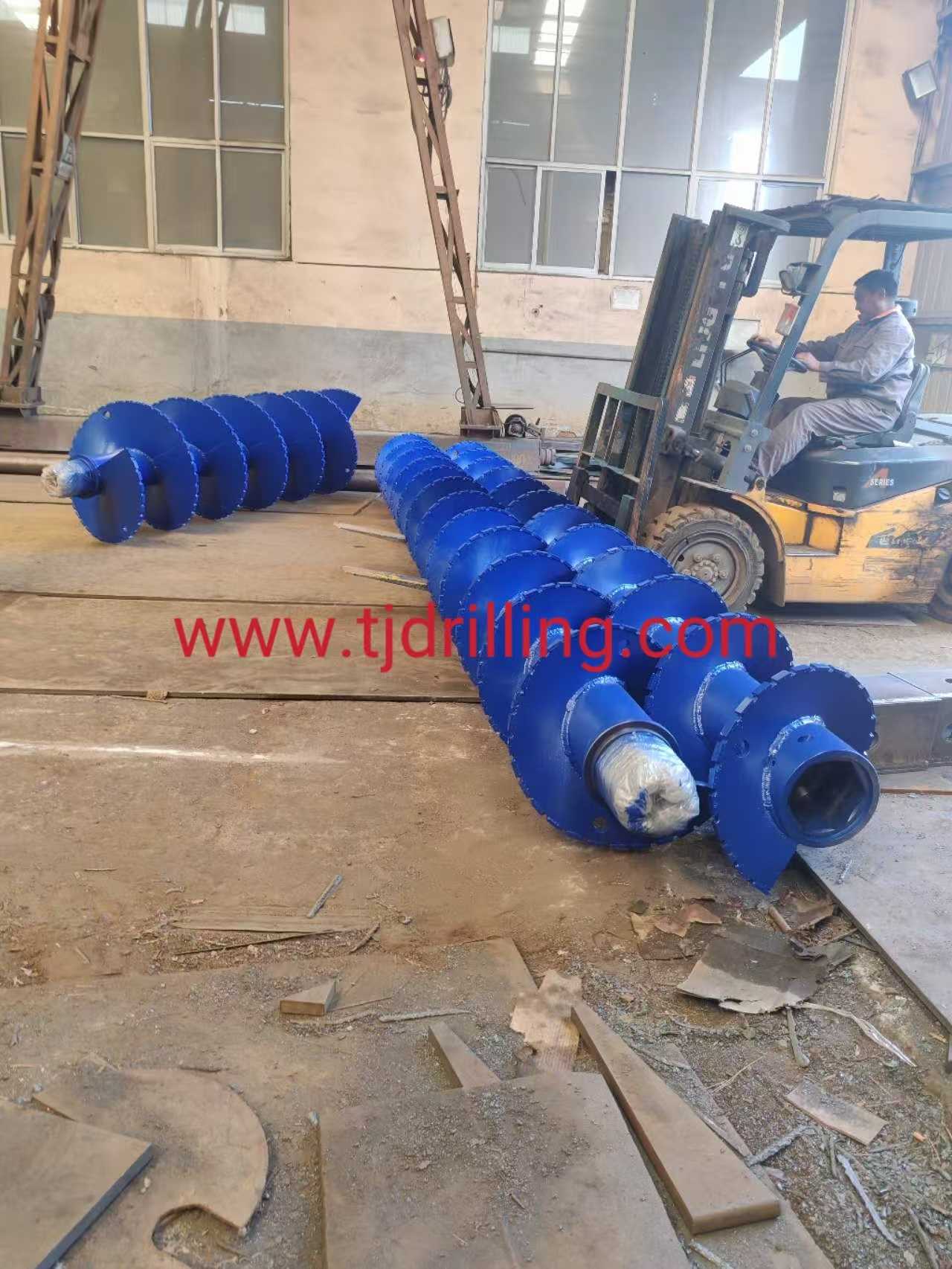
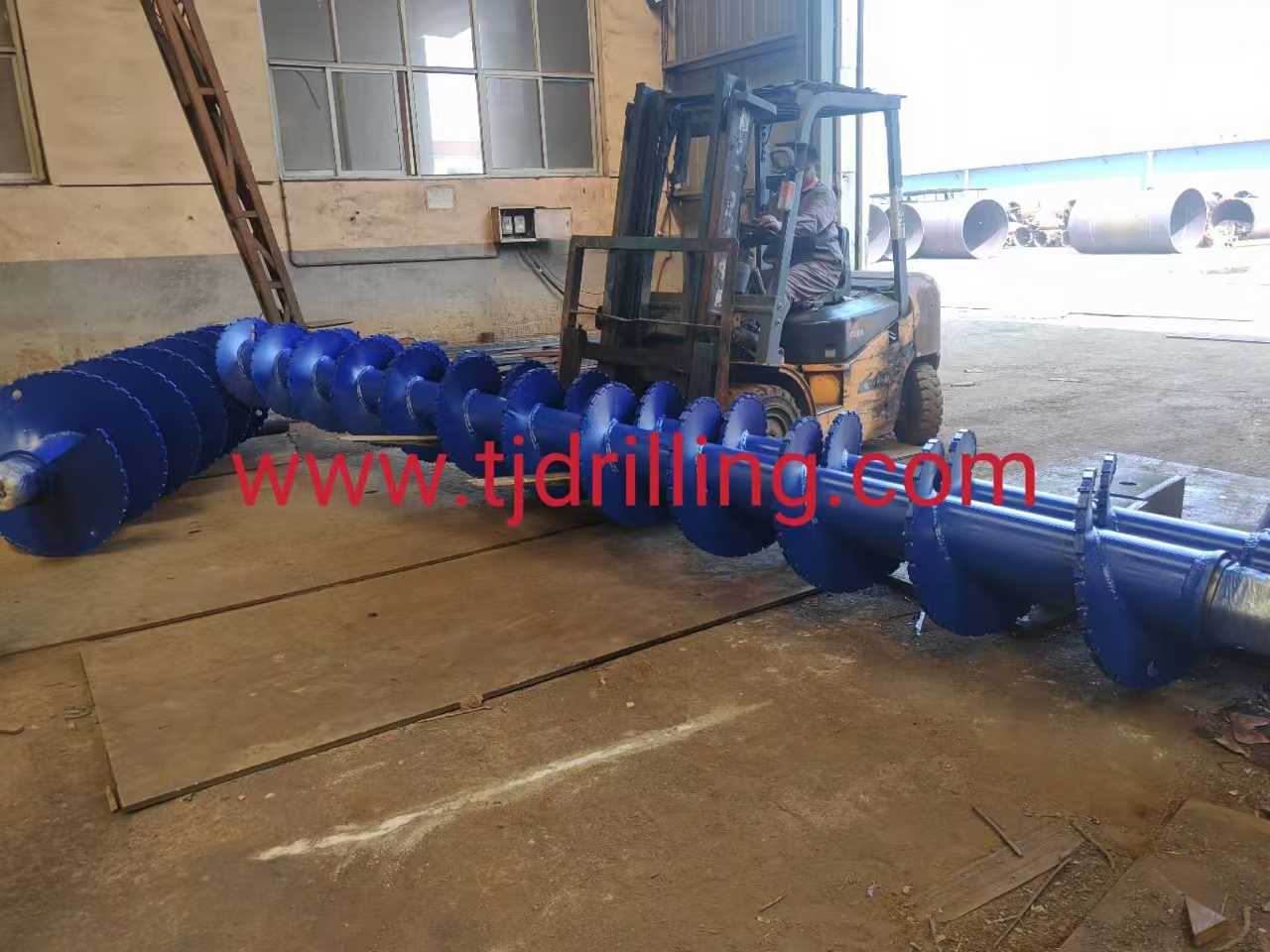
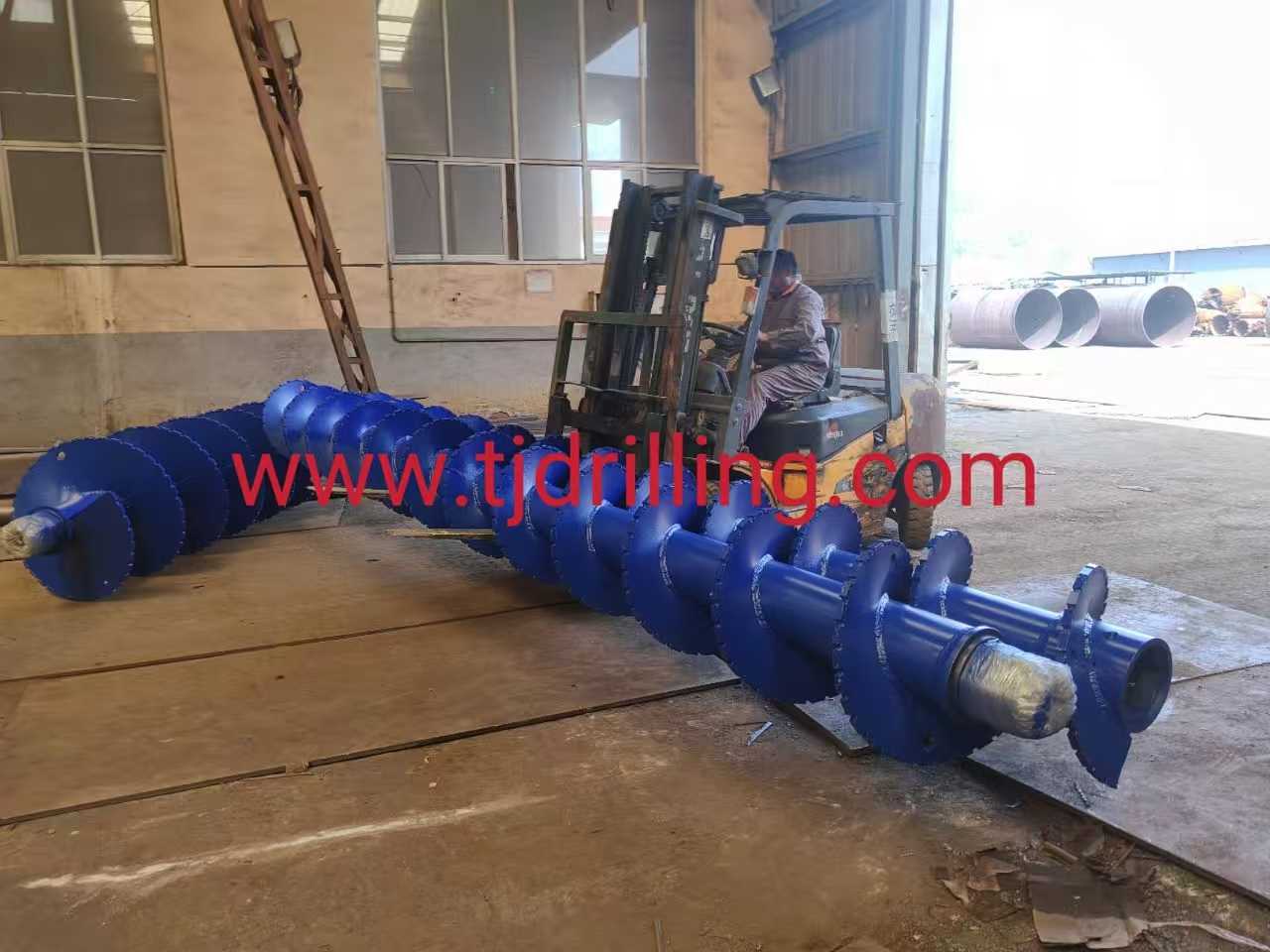
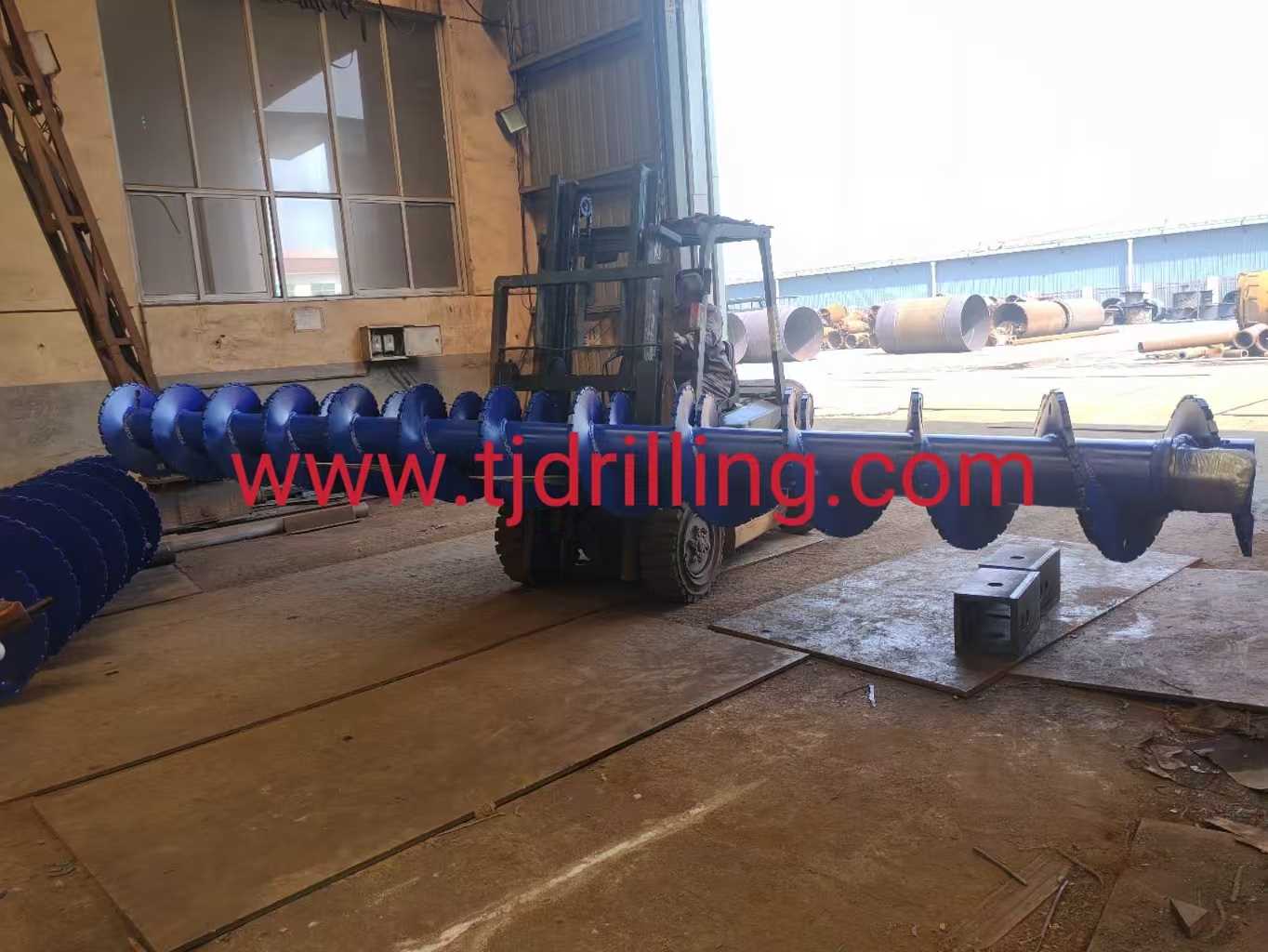 600MM CFA AUGER WITH SOILMEC cfa coupling xhd5 used on soilmec sr45 cfa rig for cfa pile
600MM CFA AUGER WITH SOILMEC cfa coupling hd4 used on soilmec sr30 cfa rig for cfa pile
600MM CFA AUGER WITH SOILMEC cfa coupling hd5 used on soilmec sr40 cfa rig for cfa pile
600MM CFA AUGER WITH SOILMEC cfa coupling hd5 used on soilmec sf55 cfa rig for cfa pile
600MM CFA AUGER WITH SOILMEC cfa coupling hd5 used on soilmec sf65 cfa rig for cfa pile
600mm cfa auger with soilmec cfa hexagonal joint xhd5 used on soilmec sr65 drill rig for Continuous Flight Auger CFA piles
600mm Continuous Flight Auger WITH SOILMEC cfa coupling hd5 used on soilmec sf65 cfa rig for cfa pile
600MM CFA AUGER WITH SOILMEC cfa coupling hd5 used on soilmec sf65 cfa rig for cfa pile
600MM CFA AUGER WITH SOILMEC cfa coupling hd5 used on soilmec sr65 cfa rig for cfa pile
600MM CFA AUGER WITH SOILMEC cfa coupling hd5 used on soilmec sr70 cfa rig for cfa pile
Continuous Flight Auger (CFA), also known as Auger Cast Piles, is a deep foundation solution that combines drilling and concreting into a single, continuous process. It is one of the fastest piling methods and is particularly effective in unstable soil conditions where an open borehole would collapse.
The CFA Execution Process
The process is divided into three distinct phases, typically managed by automated systems to ensure structural integrity.
1. Drilling Phase:
• A hollow-stem auger is drilled into the ground to the required depth.
• The soil is supported by the auger flights themselves, which are kept full of soil, preventing the surrounding ground from decompressing or collapsing.
• A sacrificial plug or "cork" at the bottom of the hollow stem prevents soil from entering the tube during the descent.
2. Concreting Phase:
• Once the design depth is reached, high-slump concrete (or grout) is pumped through the hollow stem.
• The pressure of the concrete forces the bottom plug out.
• The auger is slowly extracted as the concrete fills the void. To maintain pile quality, the extraction rate must be perfectly synchronized with the concrete flow to prevent "necking" (sections where the pile is too thin).
3. Reinforcement Phase:
• Immediately after the auger is removed and the hole is filled with fluid concrete, a reinforcement cage is lowered into the pile.
• Because the concrete is still wet, the cage is typically pushed in via gravity or with the assistance of a light vibratory hammer.
Key Technical Advantages
Advantage
Description
High Productivity
Significantly faster than Bored Piles (Kelly drilling) because no casing is required and the hole is filled as it is drilled.
Low Environmental Impact
Produces minimal vibration and low noise levels, making it the preferred choice for urban environments or sites near sensitive structures.
Soil Stability
Ideal for "collapsible" soils (sands, gravels, or silts) because the auger stem provides constant lateral support.
Quality Control
Modern rigs use onboard computers to log concrete pressure, volume, and extraction speed in real-time.
Operational Constraints & Limitations
While highly efficient, CFA has specific boundaries:
• Reinforcement Length: Since the cage is placed into wet concrete, it is difficult to install very long or heavy cages (typically limited to 18–25 meters).
• Soil Displacement: In very soft soils, over-flighting (removing too much soil) can occur, potentially causing settlement in adjacent structures.
• Boulders/Obstructions: CFA augers are less effective than Kelly rigs with core barrels when encountering large boulders or very hard rock layers.
Specialized Variations
• CAP (Cased Augered Piles): Also known as CFA with Casing. A double-rotary head drives a casing and an auger in opposite directions. This provides the verticality and strength of cased piles with the speed of CFA, often used for secant wall construction.
• DP (Displacement Piles): Uses a specialized tool that displaces soil laterally into the surrounding ground rather than bringing it to the surface. This eliminates "spoil" (waste soil) and increases the load-bearing capacity of the surrounding ground.
Technical Parameters for Selection
When selecting a rig for CFA work, the two most critical calculations are:
1. Extraction Force: The rig must have enough "pull-back" power to overcome the suction created by the wet concrete and the weight of the soil-filled auger.
2. Torque: Higher torque is required for larger diameters (e.g., 1000mm–1200mm) and for drilling through stiff clays or dense sands.