800mm Mechanical Diaphragm Wall Grab with Opening Width 2800mm for Diaphragm Wal
详细信息
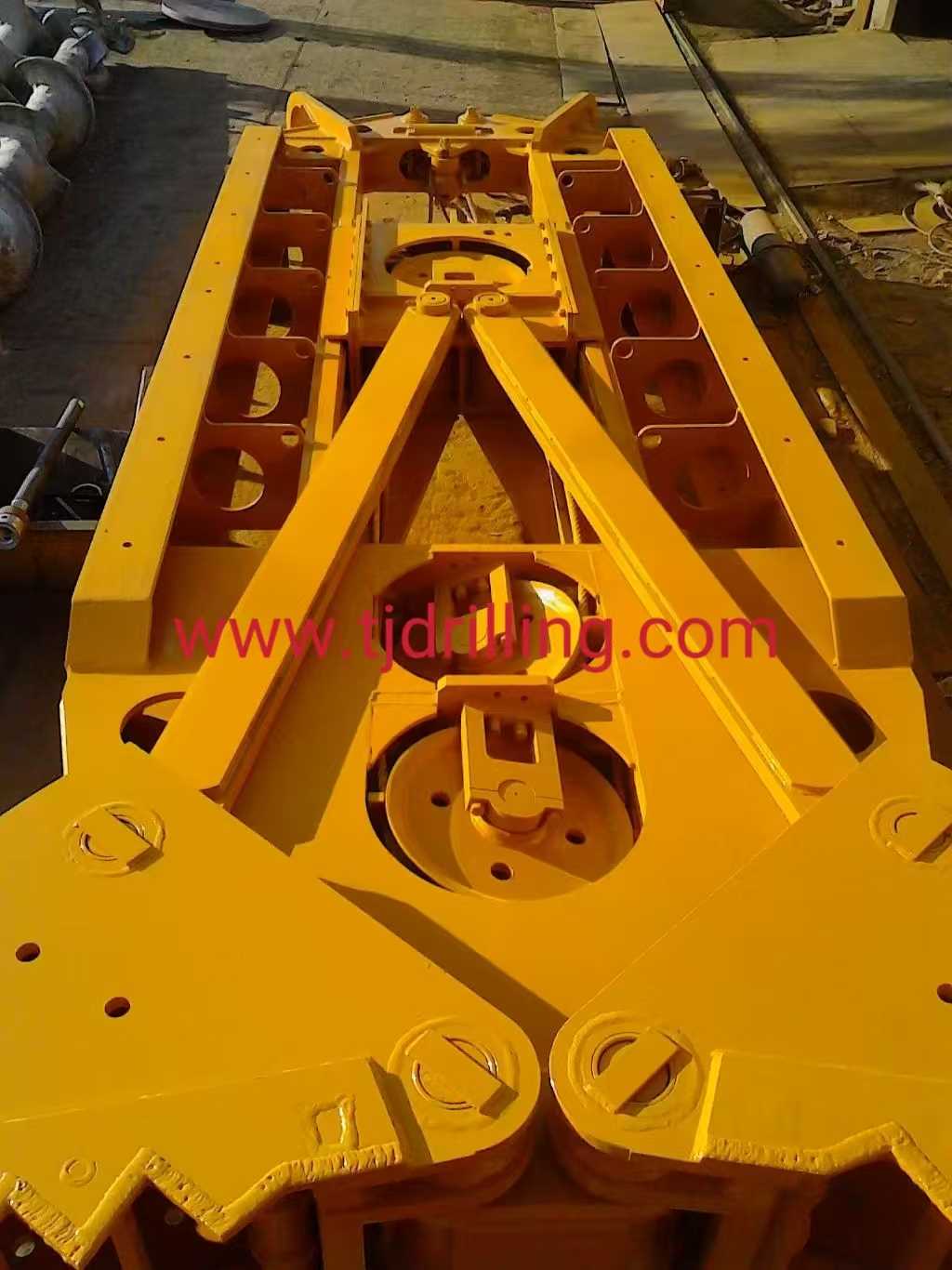
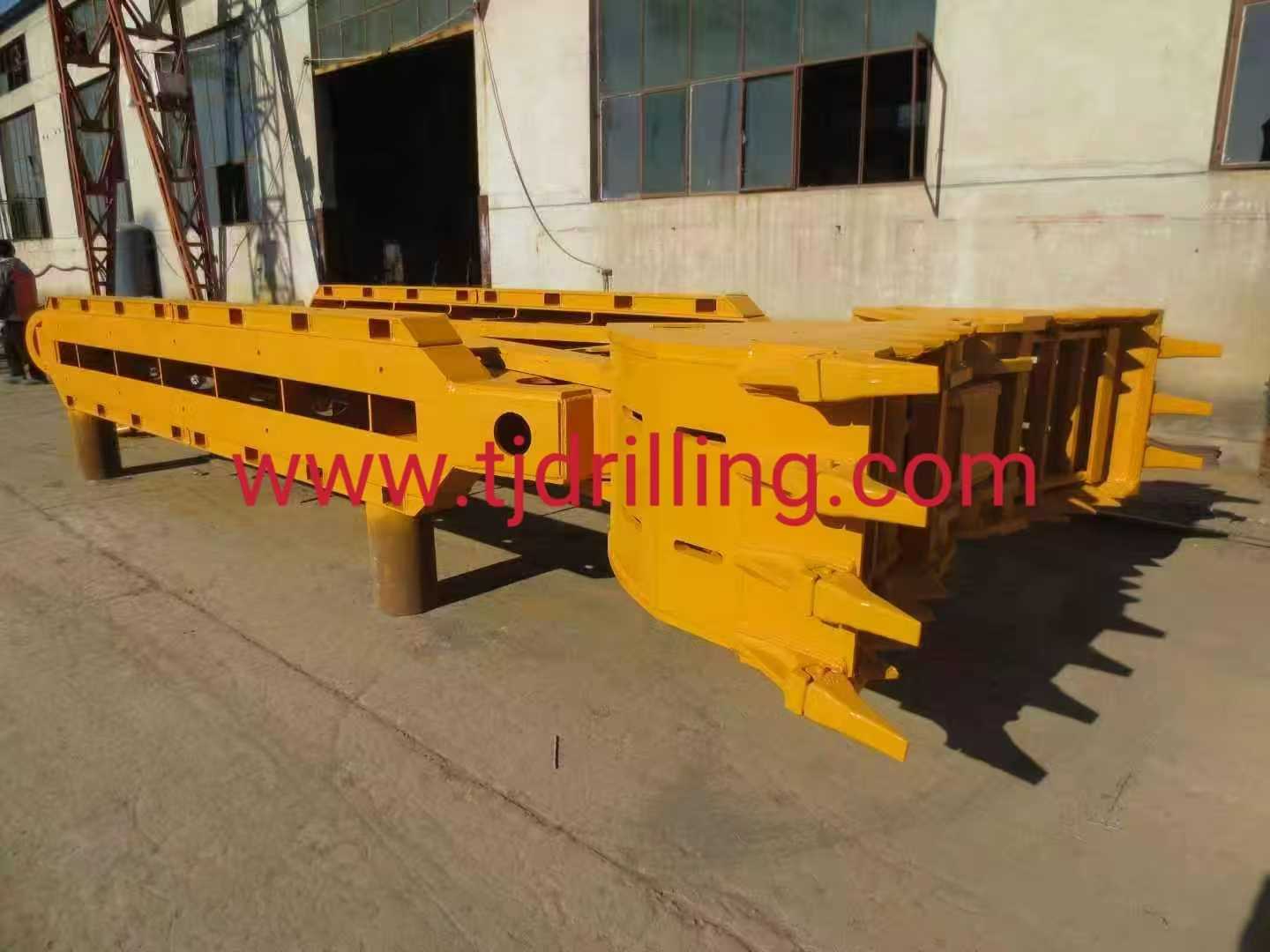
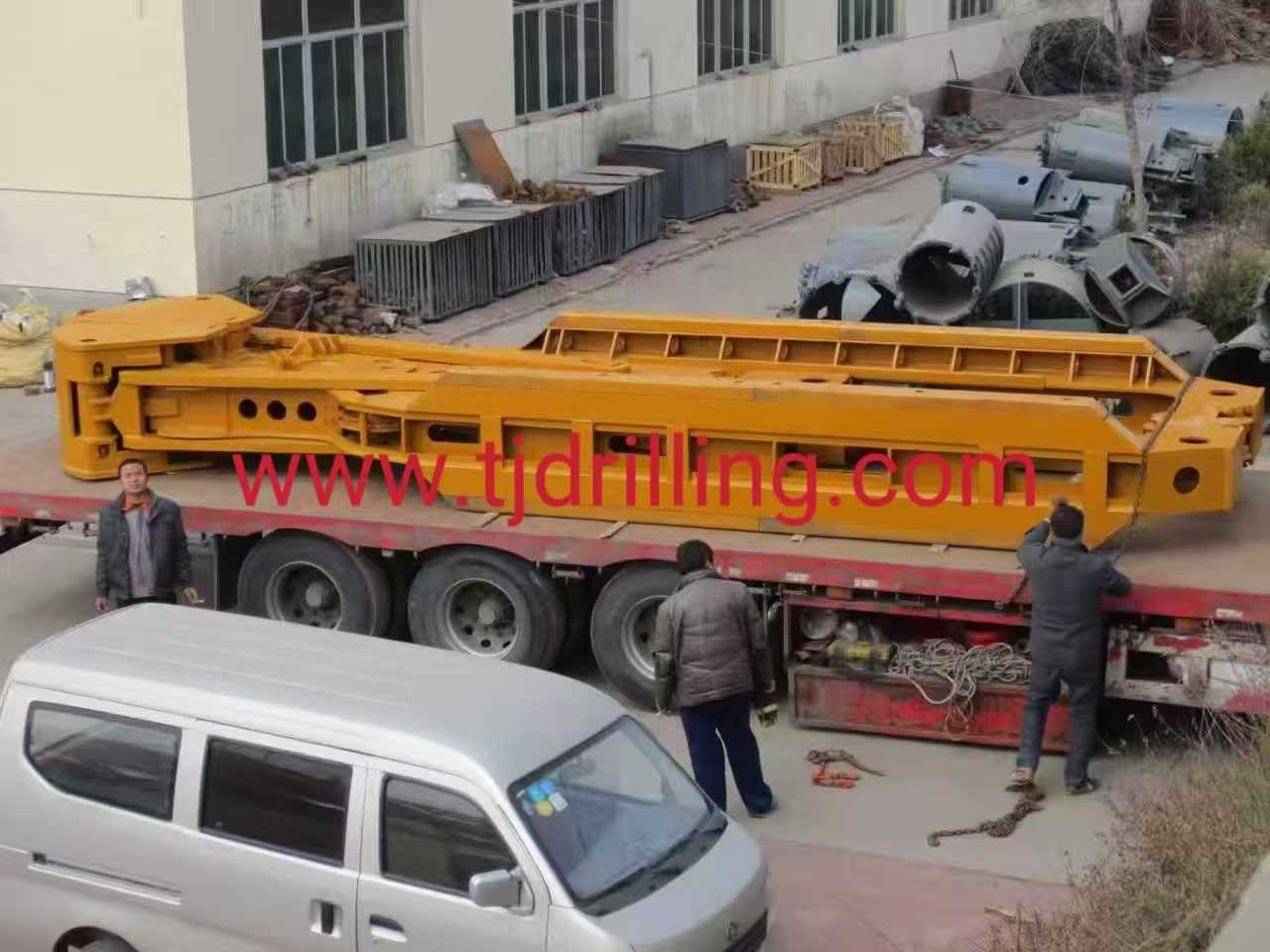
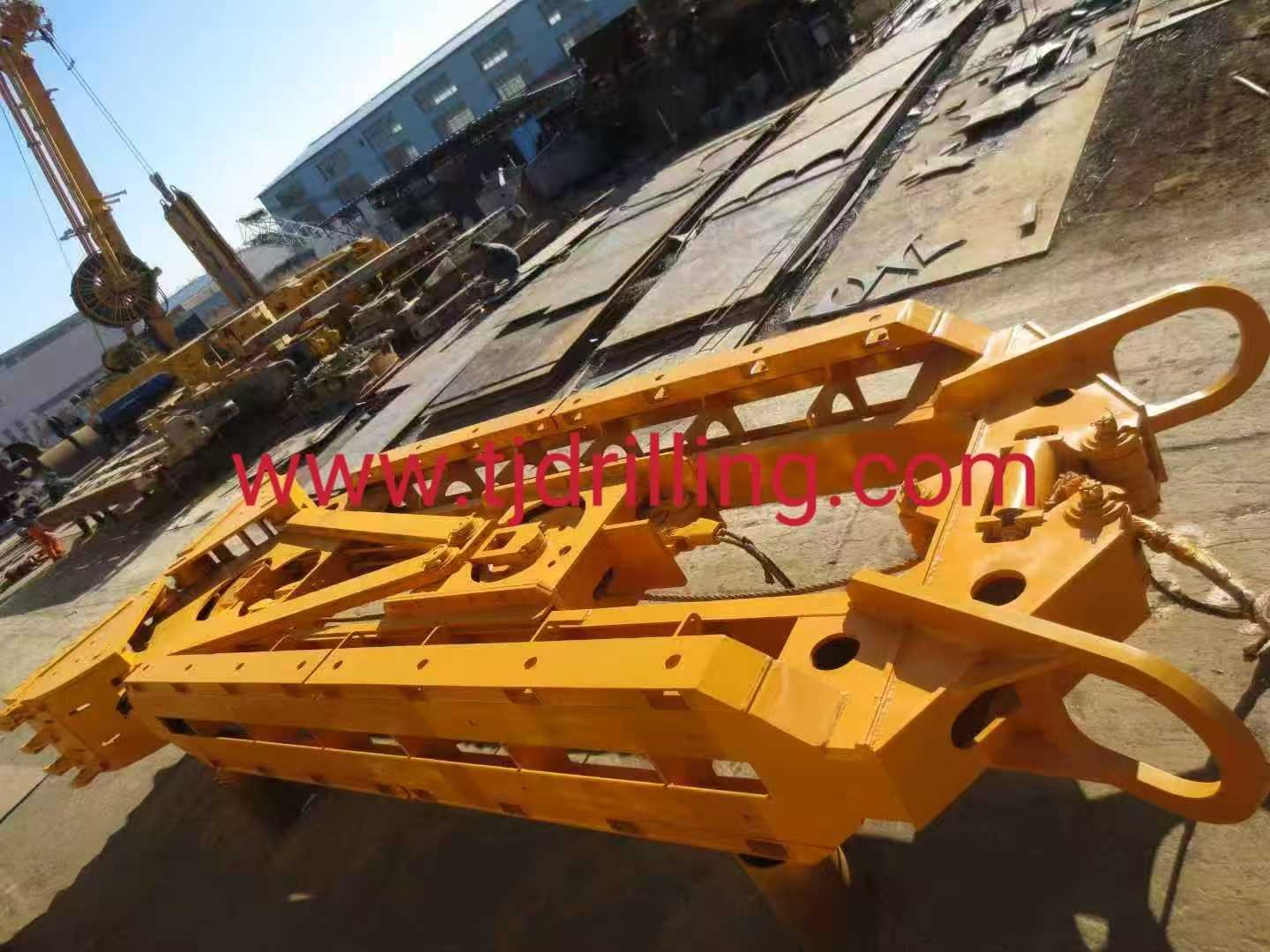
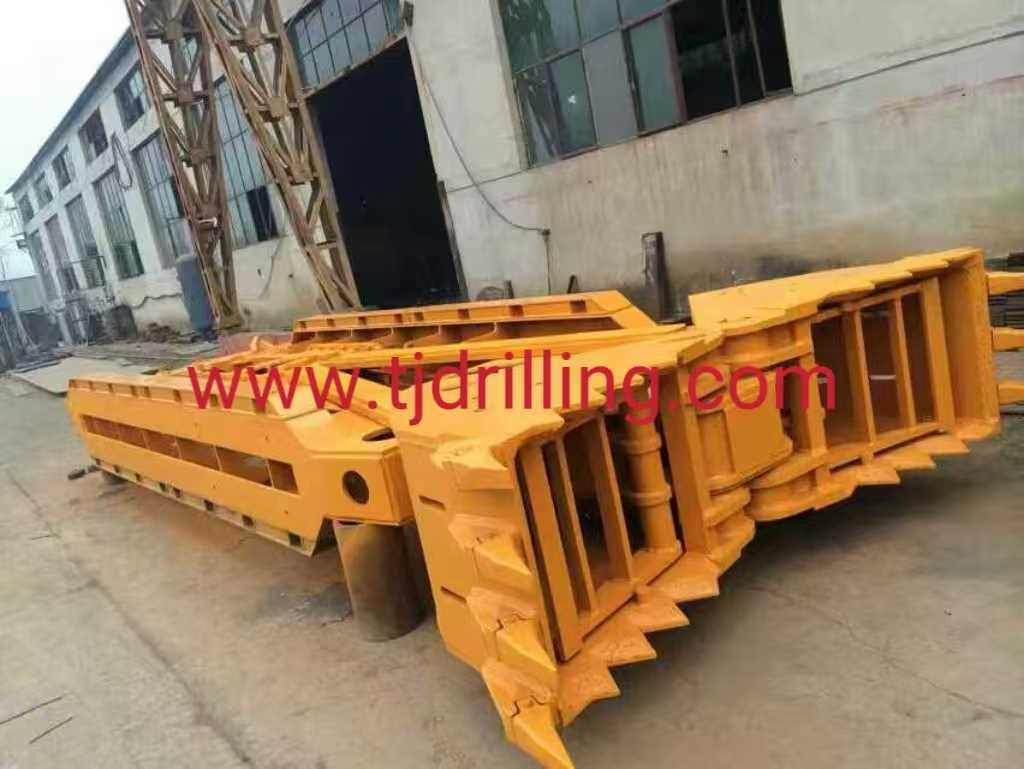
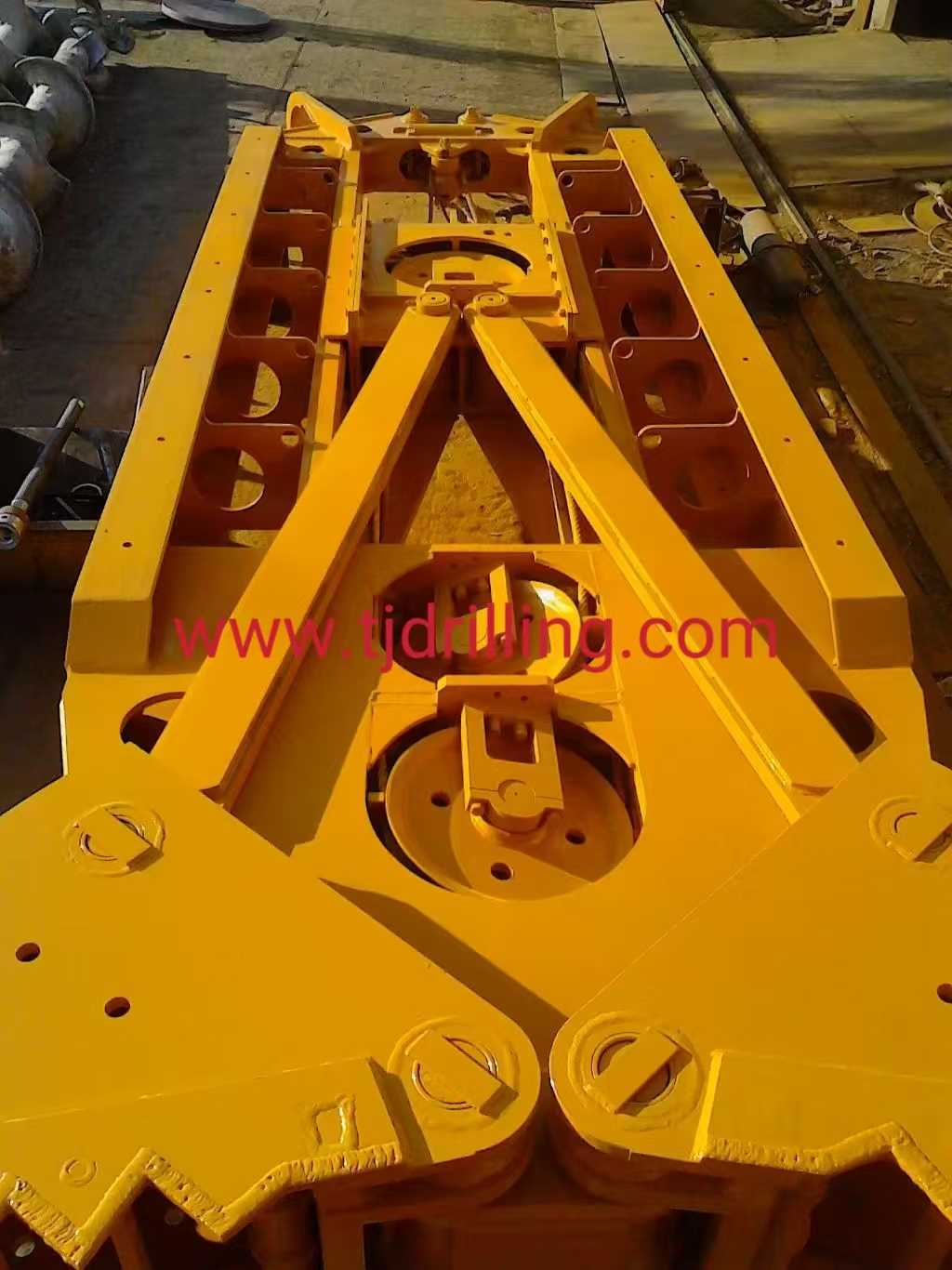
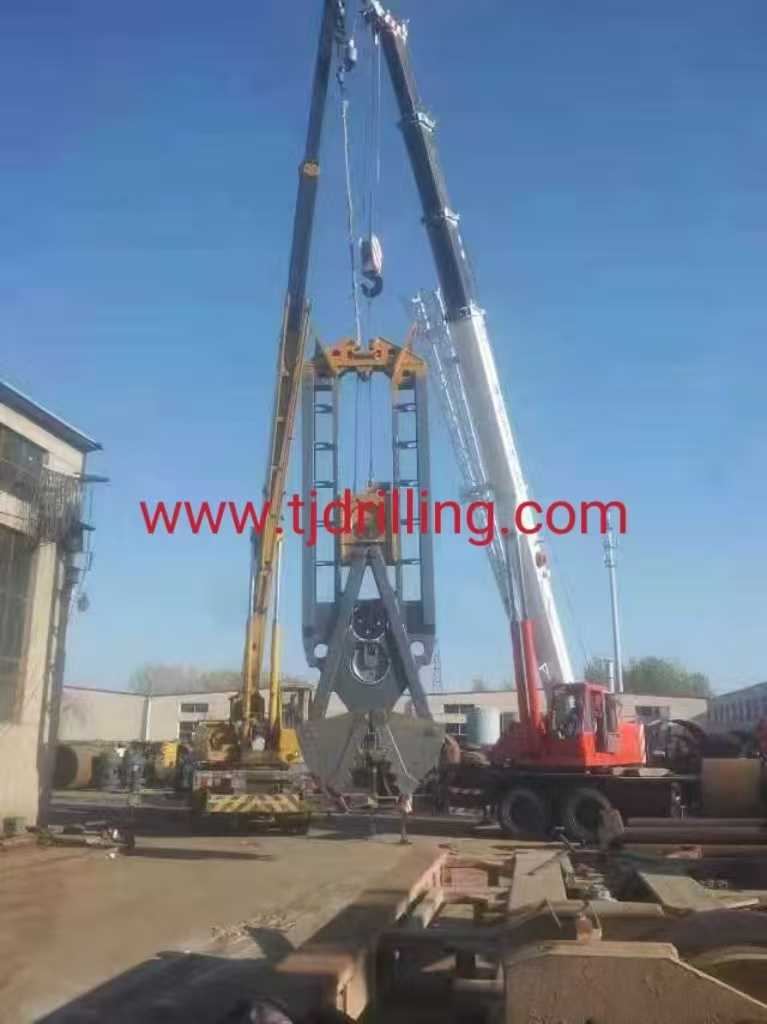 800mm mechanical diaphragm wall grab with Opening Width 2800mm for diaphragm wall contruction
800mm mechanical diaphragm wall grab with Opening Width 2500mm for slurry wall contruction
Heavy-Duty 800mm mechanical grabs with Opening Width 2800mm for diaphragm wall contruction
800mm clamshell grab with Opening Width 2800mm for diaphragm wall contruction
800mm slurry wall grab with Opening Width 2500mm for slurry wall contruction
Tjdrilling Heavy-Duty 800mm mechanical diaphragm wall grab for Slurry Wall Projects
Low-Maintenance 800mm Mechanical Grab: The Cost-Effective Solution for Slurry Wall Projects
Low-Maintenance 800mm Mechanical Grab: The Cost-Effective Solution for Slurry Wall Projects
Heavy-Duty 800mm Mechanical Grab: Reinforced Steel Design for Hard Strata & Deep Foundations
High-Efficiency 800mm Mechanical Diaphragm Wall Grab | Optimized for Rapid Trenching
reliable 800mm Mechanical Grab for Slurry Wall Excellence
| SPECIFICATION | L mm | L1 mm | T mm | T1 mm | T2 mm | kg | QUANTITY OF PULLY |
| 800 | 8700 | 9600 | 800 | 2800 | 2200 | 15500KGS | 5 |
| 1000 | 8700 | 9600 | 1000 | 2800 | 2200 | 17000kgs | 5 |
| 1200mm | 8700 | 9600 | 1200 | 2800 | 2200 | 18500kgs | 5 |
Key Advantages
• Simplicity: With fewer hydraulic lines and electronic sensors exposed to slurry and soil, mechanical grabs are often easier to maintain in the field.
• Depth Capability: They are limited only by the winch capacity of the crane (crawler crane), making them suitable for very deep excavations where hydraulic hose reels might struggle.
• Cost-Effectiveness: Generally carries a lower initial investment and lower operational costs compared to sophisticated hydraulic counterparts.
Operation Essentials
To achieve the best results with an 800mm mechanical unit, consider the following:Crane Synchronization: Requires a crawler crane with a double-drum free-fall winch system. One drum controls the vertical movement (holding line), while the other operates the opening and closing of the jaws (closing line).
Verticality Control: Because mechanical grabs are "free-hanging," operators must use a guide wall (usually concrete) at the surface to start the trench accurately.
Soil Conditions: Best suited for sands, gravels, and soft-to-medium clays. In extremely hard rock, a "chiseling" approach or a pre-drilling method may be required before using the grab.
mechanical diaphragm wall grab is a heavy-duty tool used to excavate deep, narrow trenches for underground walls. Unlike hydraulic grabs that use high-pressure cylinders to close the jaws, a mechanical grab relies on cable tension and gravity to function.
· Weight: Usually ranges between 12000 kg and 15,000 kg. The high self-weight is critical for providing the necessary cutting force to penetrate stiff soils.
· · Opening Width: While the body is designed for an 800mm trench, the jaw opening typically spans 2,500mm to 2,800mm.
· · Jaw Type: Often equipped with replaceable teeth or "cutting bits" made of tungsten carbide for high-wear resistance.
· · Guide System: Features long guide bodies (frames) to ensure verticality during the descent, which is vital for maintaining the structural integrity of the diaphragm wall.
Using one requires a specialized crane (duty-cycle crane) and a high level of operator precision.
1. Pre-Excavation: The Guide Wall
Before the grab ever touches the dirt, you must construct concrete guide walls.These are two parallel concrete beams cast into the ground.
They ensure the grab enters the ground at the exact location and prevent the top of the trench from collapsing.
2. The Operation Cycle
The mechanical grab operates on a "dual-line" system: the holding line and the closing line
Positioning: The crane operator aligns the grab between the guide walls. The jaws are held open by the internal pulley system.
The Descent: The grab is lowered into the trench. If the soil is hard, the operator may "free-fall" the grab for the last few meters to use its weight (often 10-25 tons) to break the surface.The Bite (Closing): Once the grab hits the bottom, the operator pulls the closing line. This pulls the jaws together through a series of internal sheaves, creating massive mechanical leverage to scoop up the soil.
Hoisting: Once the jaws are shut, both the holding and closing lines are retracted simultaneously to lift the loaded grab out of the trench.
Discharge: The grab is swung over a spoil pile or truck. The operator releases the closing line tension, allowing gravity to pull the jaws open and drop the payload.
3. Maintaining Verticality
In diaphragm wall construction, verticality is everything. If the wall is crooked, the reinforcement cage won't fit, and the joints will leak.The Weight Factor: Mechanical grabs are intentionally very long and heavy. This high center of gravity helps them act like a "plumb bob" to stay vertical.
Correction: If the grab starts to drift, the operator can use the teeth to shave one side of the trench or adjust the tension on the hoist cables to pull it back into alignment.
4. Working with Bentonite (Slurry)
You never dig a diaphragm wall trench "dry." As the grab removes soil, the trench is simultaneously filled with bentonite slurry.
The slurry provides hydrostatic pressure to keep the trench walls from caving in.
mechanical grab must be designed with "bypass" vents so that it can sink quickly through the thick slurry without being slowed down by water resistance.
5. Mechanical vs. Hydraulic Grabs
| Feature | Mechanical Grab | Hydraulic Grab |
| Power Source | Cable tension / Crane winches | Hydraulic pump and cylinders |
| Soil Type | Better for very deep trenches and hard strata | Better for precision and "shaving" soft soils |
| Maintenance | Simpler (mostly cables and pulleys) | Complex (hoses, seals, and pumps) |
| Depth | Limited only by the length of the crane cable | Limited by the length of the hydraulic hoses (unless using a power pack) |
Cable Inspection: Because the entire "closing" force depends on steel wire ropes, they must be inspected daily for fraying or "bird-caging."
teeth Replacement: The "cutting" teeth at the bottom of the jaws are sacrificial. Once they blunt, the grab will bounce off hard ground rather than digging into it.
Sheave Lubrication: The internal pulley wheels (sheaves) inside the grab body are constantly submerged in gritty slurry. They require intensive greasing to prevent the mechanism from seizing.