 What is slurry wall
A slurry wall is a civil engineering technique used to construct reinforced concrete walls deep underground, primarily to act as a permanent, watertight barrier in soft soils, high groundwater, or for deep foundation support. Trenches are excavated in segments and filled with a bentonite-water slurry to prevent collapse, then replaced with concrete.
Key Aspects of Slurry Walls
· Purpose: They provide structural retention (retaining wall) and water-blocking (diaphragm wall) for projects like subway stations, high-rise foundations, and underground parking.
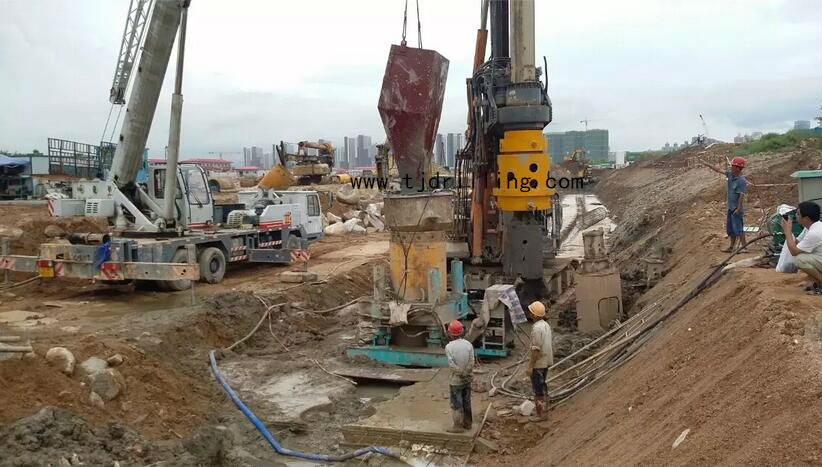
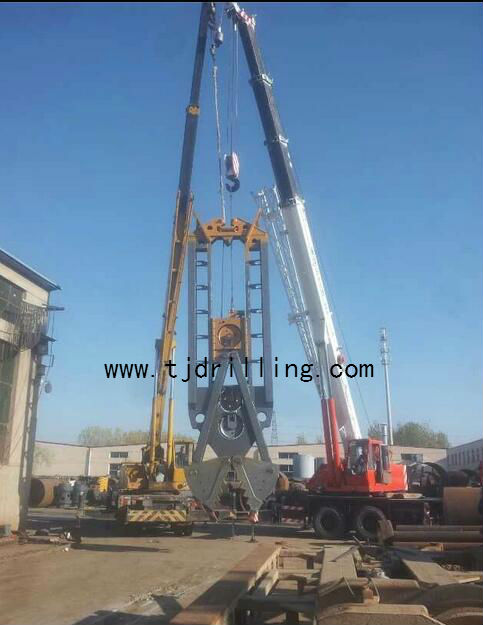
· Construction Process: A bentonite clay/water mixture (slurry) is pumped into a trench as it is excavated, creating a stabilized, pressurized liquid that prevents the trench from collapsing. Once the trench reaches the desired depth, steel reinforcement is lowered in, and concrete is pumped in, displacing the slurry.
· Environmental & Waterproofing Use: Soil-bentonite slurry walls are often used as non-structural barriers to stop the migration of contaminated groundwater around landfills or damaged sites.
· Deep Application: They can be installed at great depths—sometimes exceeding 400 feet—and are used when building in close proximity to water, such as in the creation of the "[Bathtub]" at the World Trade Center.
· Advantages: This technique is low-vibration and allows for construction in very tight areas.
Common Applications
· Subsurface Dams & Underground Infrastructure: Creating watertight enclosures for excavations.
· Deep Foundations: Acting as the exterior wall for deep basements.
· Environmental Containment: Blocking contaminated groundwater flow