There are various types of pile foundations, and whether you need one or another will depend on the type of soil, ground conditions and the characteristics of the project. In this blog, we will analyse the advantages and disadvantages of CFA piles vs rotary bored piles and how they compare.
What are CFA piles?Conventional CFA (Continuous Flight Auger) piles are an effective solution for light structures. CFA piles are easy to mount and are often a safe and cost-effective solution for many types of construction. For example, urban developments usually use CFA piling because it prevents vibration, decreasing the noise and disruptions in adjacent buildings.
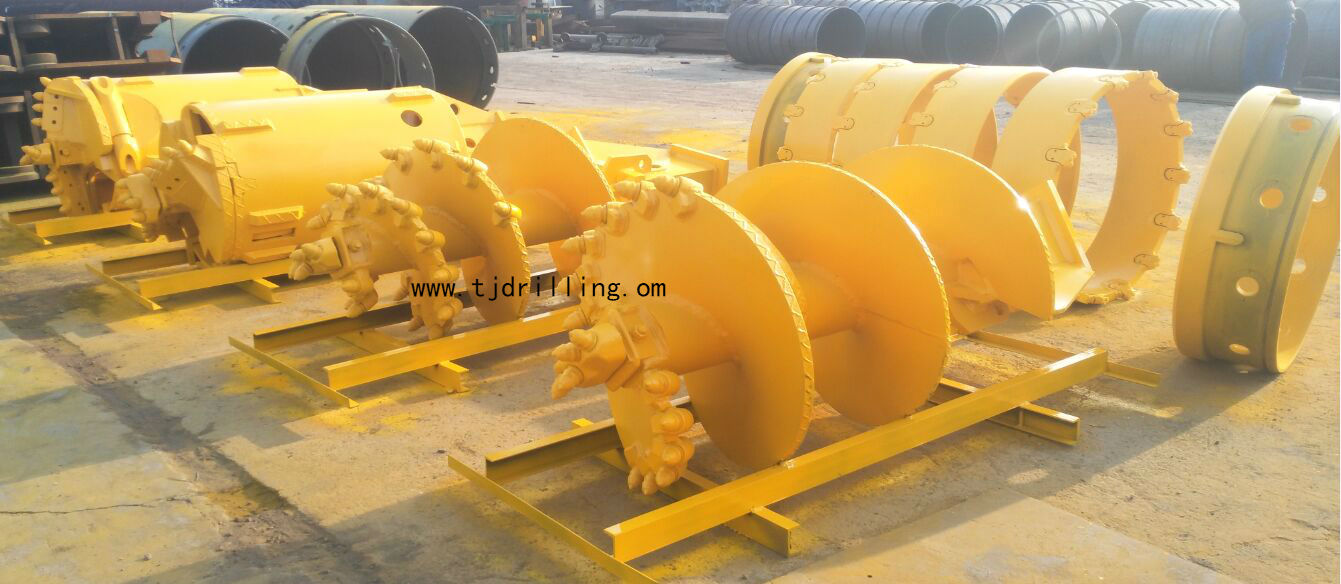
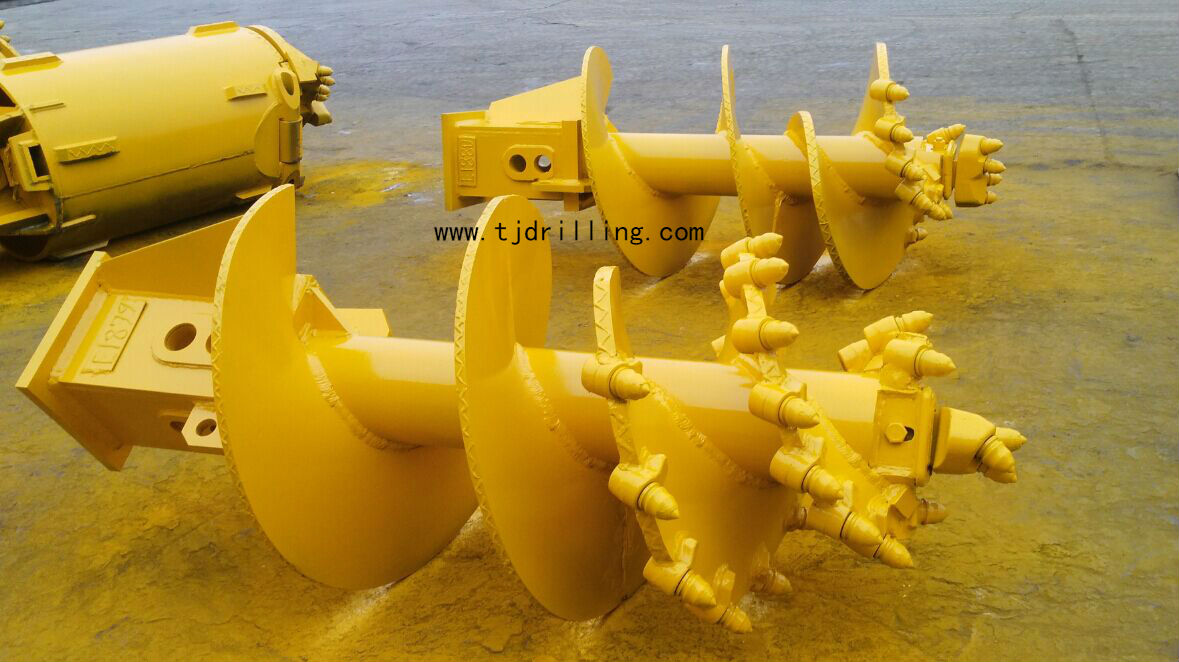
To build CFA piles, it is necessary to pump concrete through the hollow stem of an auger that is in the ground. Once the concrete has replaced the soil, the auger is removed. A steel reinforcement is then sunk into the pile of concrete.
Here are some of the main CFA piles advantages and disadvantages.
CFA piles advantagesThe main advantage of CFA piles is their versatility in most building projects. CFA piles can be used with most soil conditions, from medium dense sands to gravel, rocks or even rigid clays.
Additionally, CFA piles come with many auger dimensions available, that range from 300mm to 1200mm.
CFA piles are ideal for most business and residential projects as they come with a depth of up to 25 meters, making them efficient for low to mid-range loading.
CFA piles disadvantagesAlthough they are ideal for a large number of projects, CFA piles are not adequate for very soft clays or silts or any other types of ground that are too loose, for instance, some types of sand or gravel.
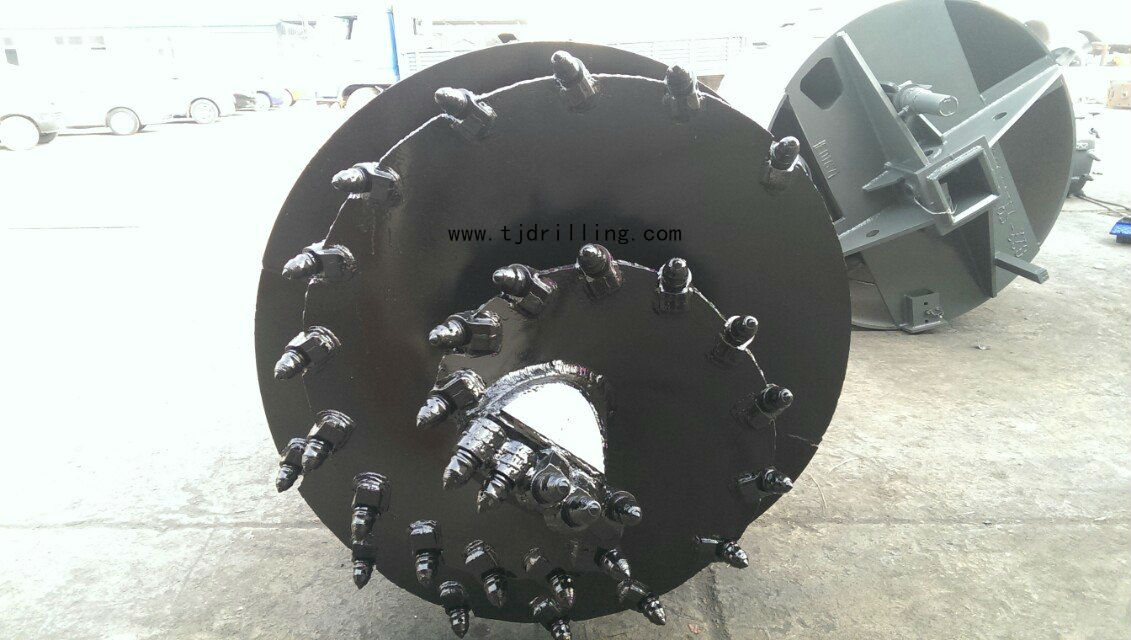
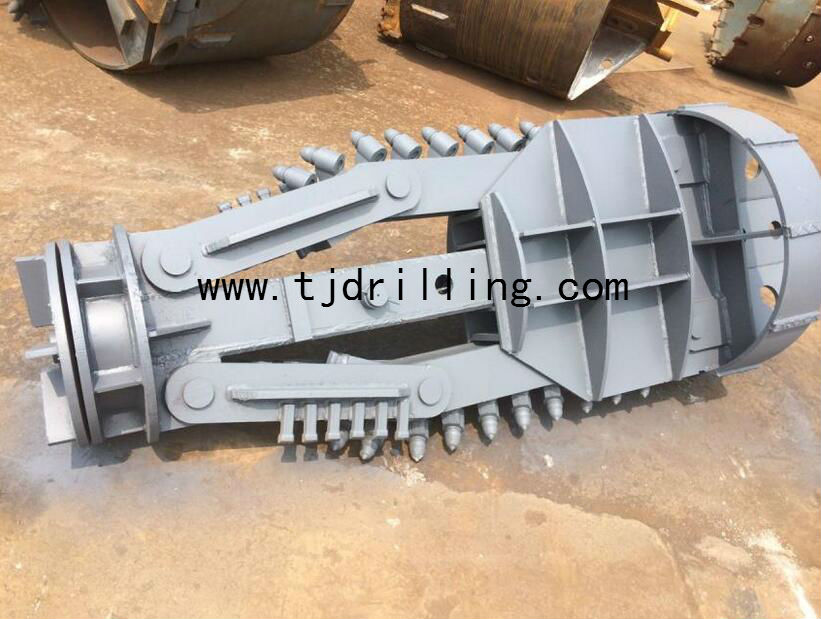
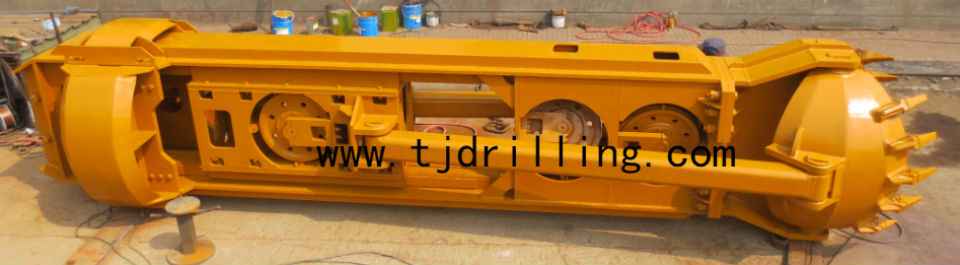
What are Rotary Bored Piles?Bored piles have a larger diameter than continuous flight auger, CFA piles. Rotary bored piles can support greater loads and be used in ground that is too hard for a CFA pile. They can also clear underground obstacles and be used for more complex projects.
With Rotary bored piles, the cage can be the full depth of the pile, because the reinforcement can be added into the open bore rather than into the ready poured concrete, as in the CFA piles.
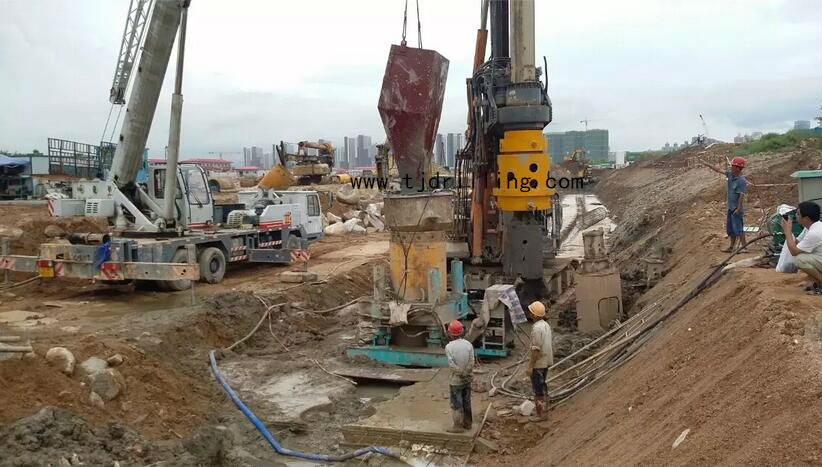
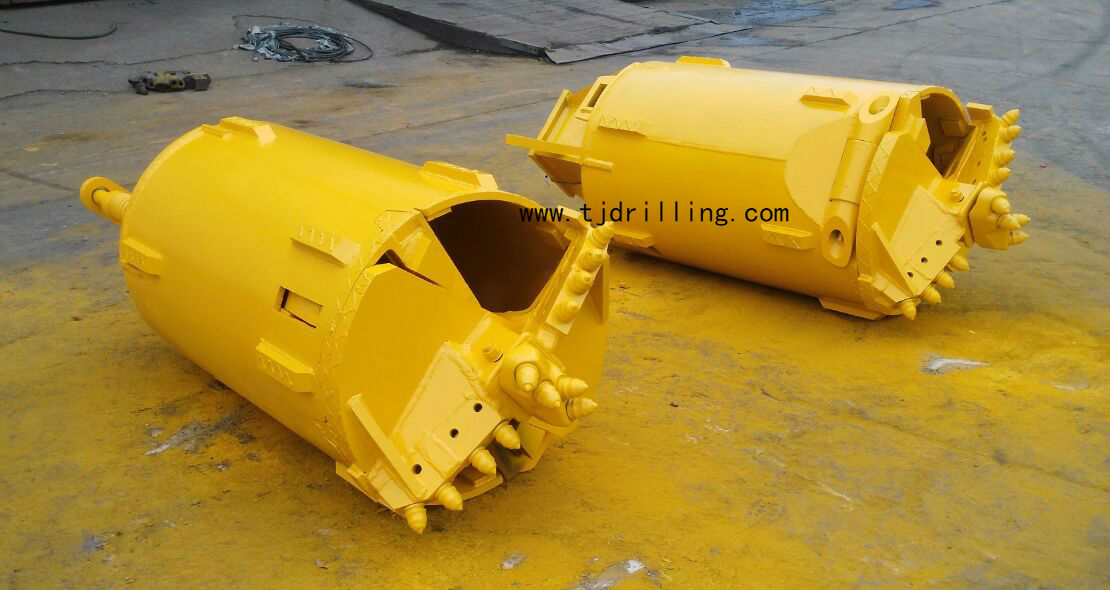
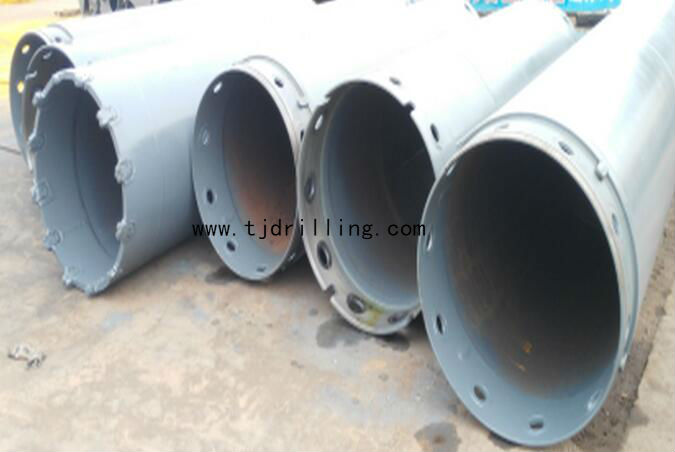
Rotary bored piles are built by rotating an encasing into the ground. Once the required depth is reached, the auger is removed, the reinforcement is added and the concrete is poured. When the concrete reaches the required level, the casing is removed, leaving the finished pile.
Like CFA piles, rotary bored piles have their advantages and disadvantages.
Bored piles advantagesThe rotary bored piling technique can be used in almost all land conditions. It also allows for very high load capacity thanks to its attainable depth of up to 60 meters and diameter of up to 1.8 meters. This makes bored piles useful for constructions in soils that range from soft ground to hard rock.
Additionally, the risk to adjacent buildings is minimal because of its minimum vibration, making it a quick and effective method of installation.
Bored piles disadvantagesBored piles can pose many challenges. The type of soil needs to be thoroughly analysed and land tests need to be conducted before choosing the best drilling method. Besides, although one of the main advantages of bore piles is that they cause minimal disruptions if there are buried blockages, they may cause vibrations.
Another disadvantage of bore piles is that the pilling process can be quite slow (it often takes around eight weeks). The process can be even longer if the soil type is very loose, which would require the use of steel cages or sustaining mud, adding complexity to the project.
CFA piles vs rotary bored pilesAs we’ve seen, bored piles usually have a larger diameter than the traditional continuous flight auger piles. Therefore, rotary bored piling can be used with higher loads and at a greater depth in comparison to CFA piles.
CFA piles are suitable for lighter loads, whereas bored piles are used for heavy-loaded constructs, to bypass underground impediments, and infiltrate the ground that is too hard to drill with a continuous flight auger.