 What is deep soil mixing?
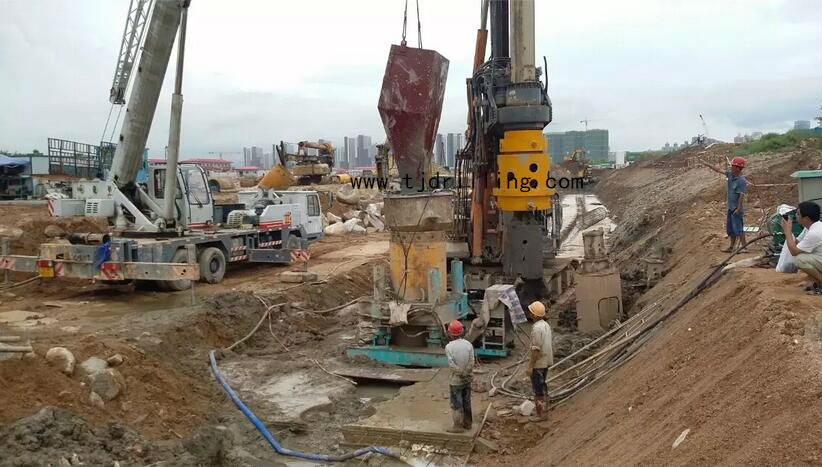
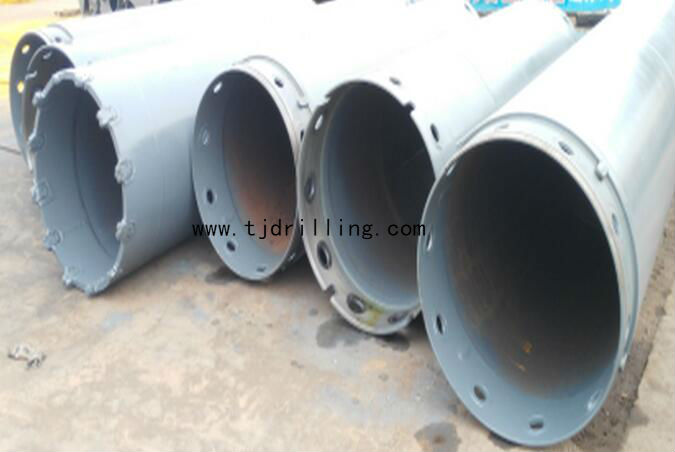
Deep soil mixing (DSM) is a ground improvement technique that blends soil in place with a cementitious slurry. Using large augers or mixing shafts, DSM forms reinforced soil columns — often between 0.8 m and 2.5 m in diameter — that extend to depths of 30–80 m.
DSM is applied to increase soil strength, control settlement, and mitigate liquefaction. It is also widely used for groundwater cut-off walls and for containing contaminated soils.
By treating large soil volumes quickly, DSM provides a cost-effective way to deliver long-term stability on major infrastructure and remediation projects.
What is mass soil mixing?
Mass soil mixing (MSM) is a ground improvement technique designed to stabilise wide areas of soft or contaminated soil. Instead of creating individual columns, the ground is treated in blocks or “cells,” usually to depths of 5–6 m, producing a continuous, reinforced mass.
MSM is often used to provide working platforms, reduce settlement, improve stability, or contain contaminants such as acid sulphate soils. It is a quiet, low-vibration technique that generates very little spoil, making it both economical and environmentally responsible.
MSM is particularly effective for shallow ground improvement where deep foundations are not required.
What is wet versus dry soil mixing?
The main difference between wet and dry mixing is how the binder is introduced into the ground:
Wet soil mixing: a cement slurry or similar liquid is injected during mixing. This method suits cohesive soils and projects requiring continuous walls or large-diameter columns.
Dry soil mixing: powdered binders such as cement or lime are blown into the soil with compressed air. It works best in soft, moisture-rich soils like clay or peat.
Both approaches improve soil strength, stability, and permeability while minimising spoil and vibration. The choice depends on soil characteristics, groundwater levels, and project requirements.
Enquire now to discover which technique may be more suitable for your site.
How does a soil mixer work?
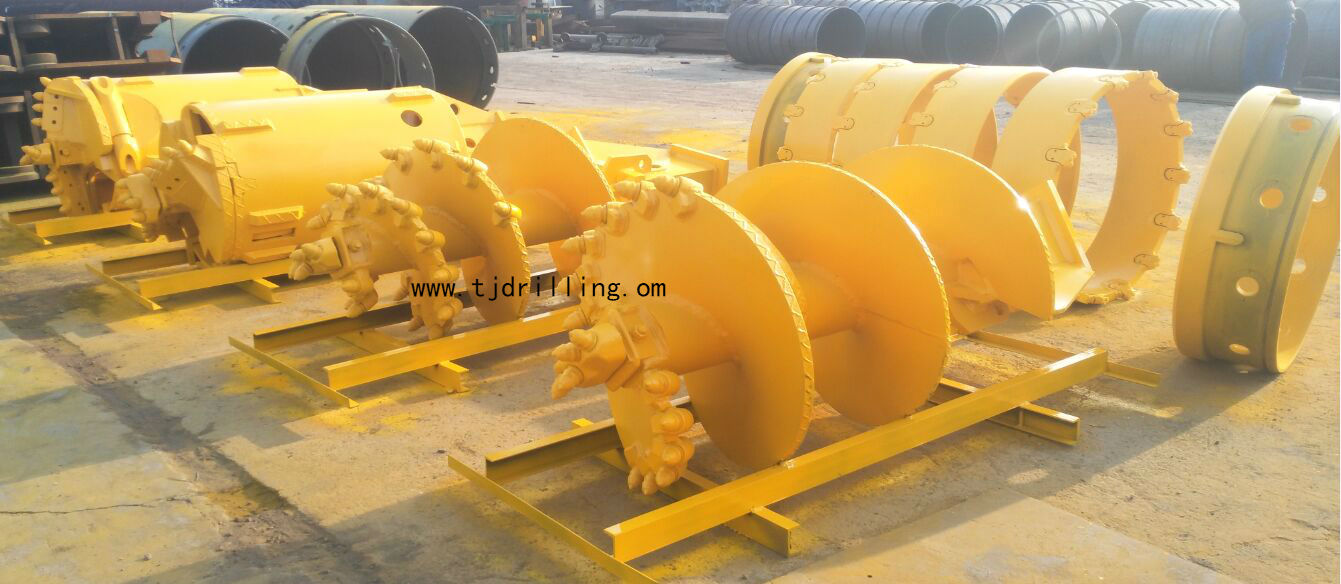
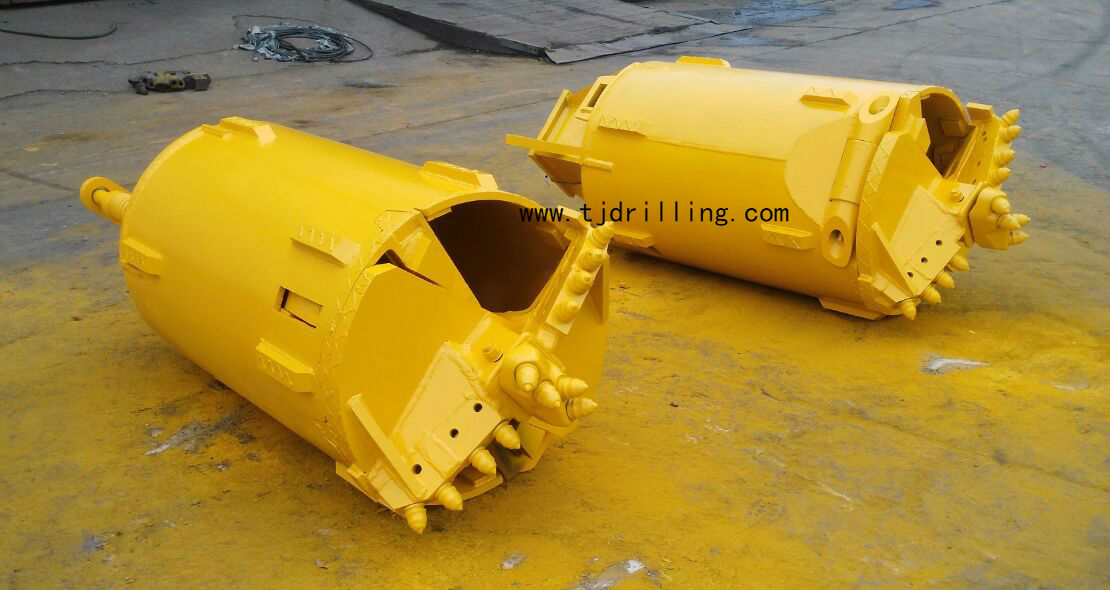
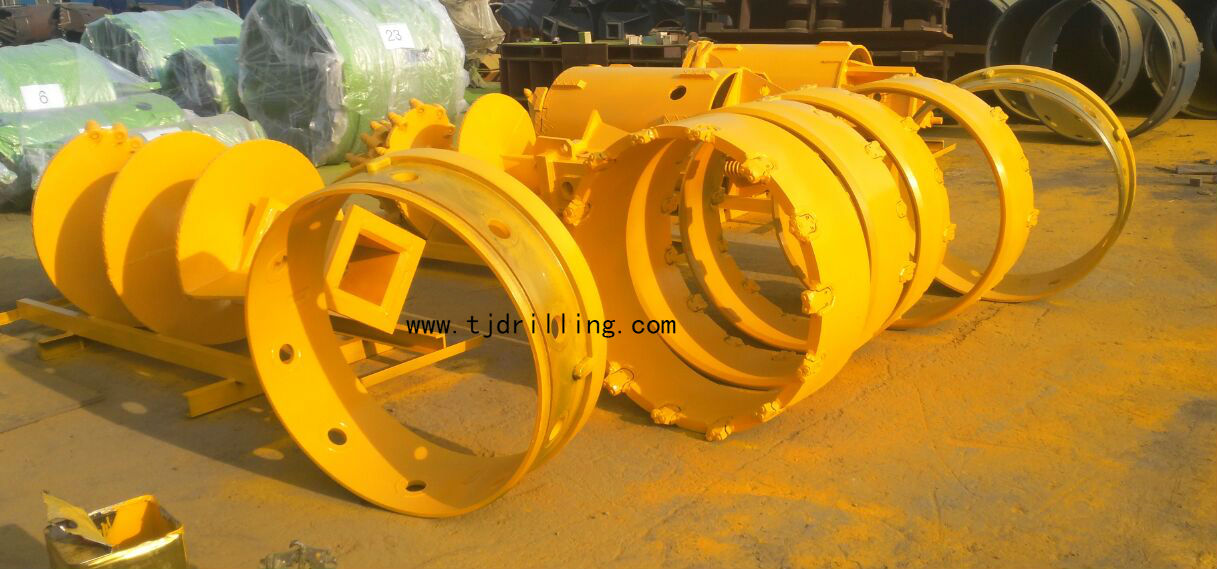
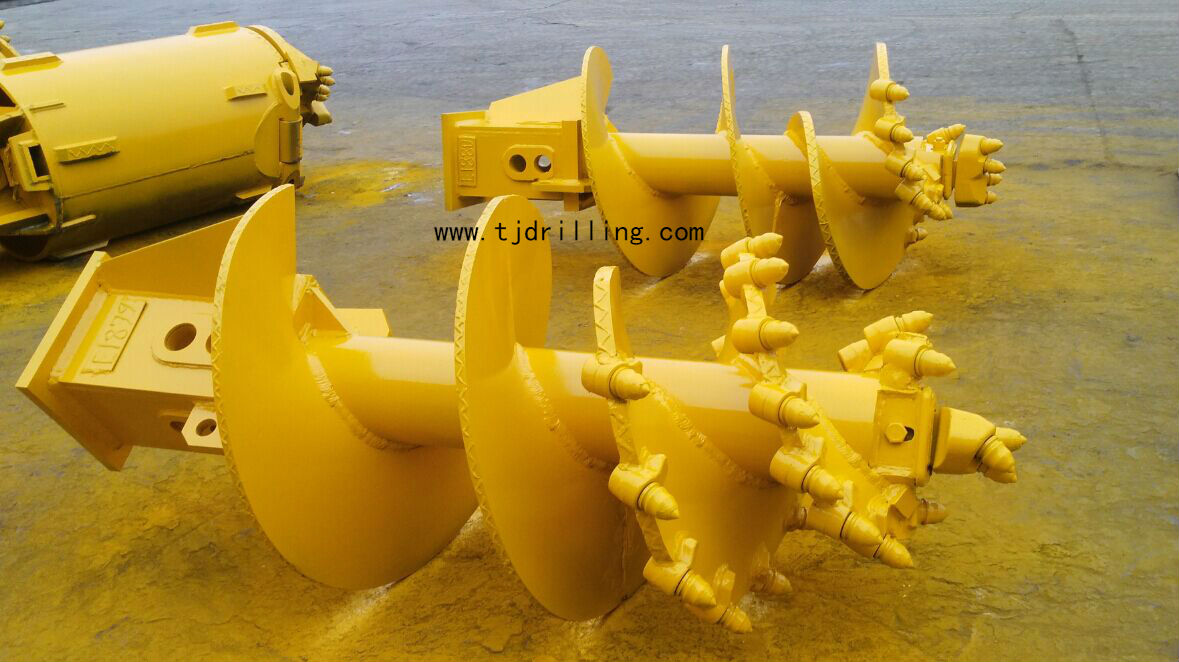
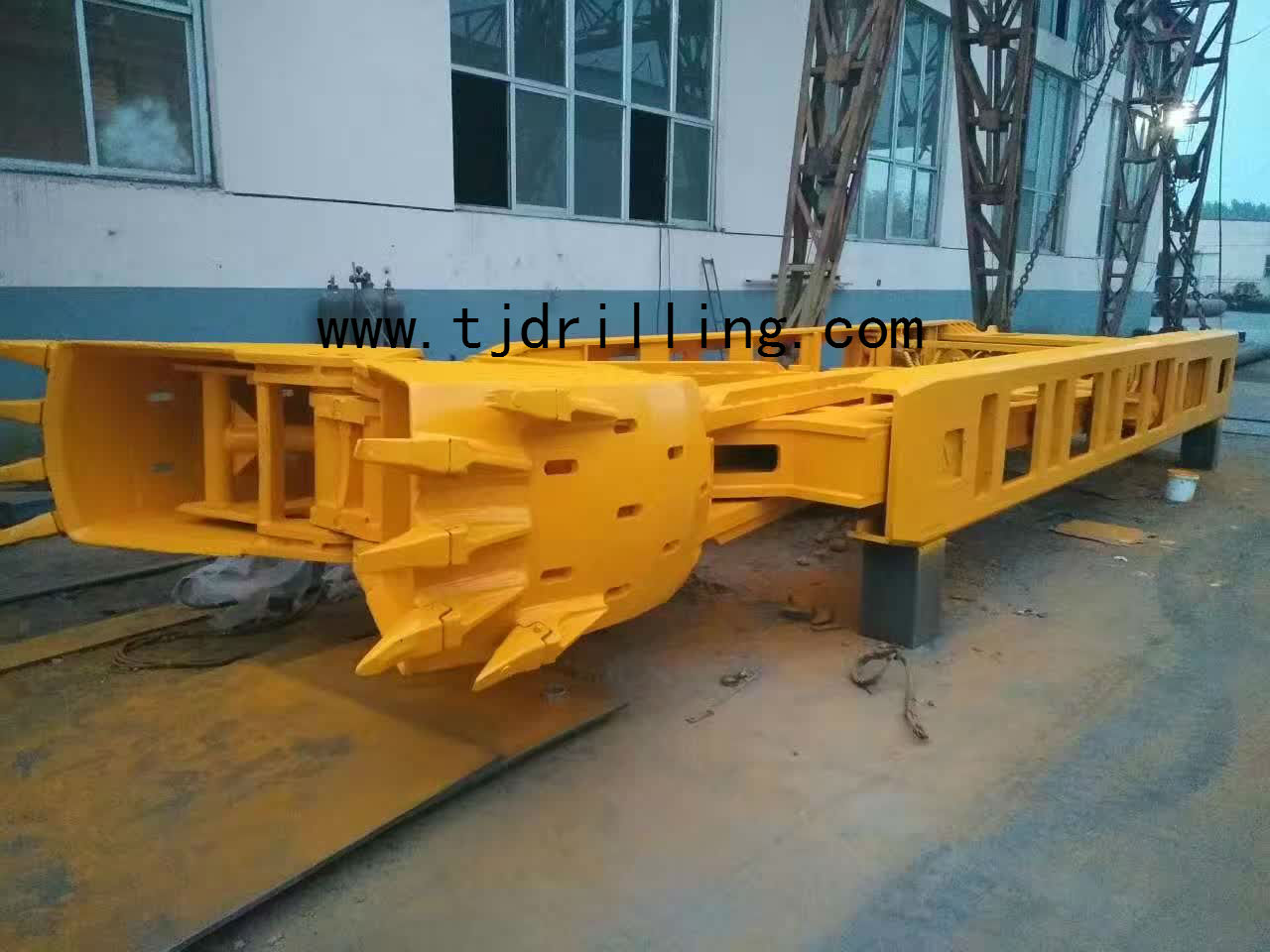
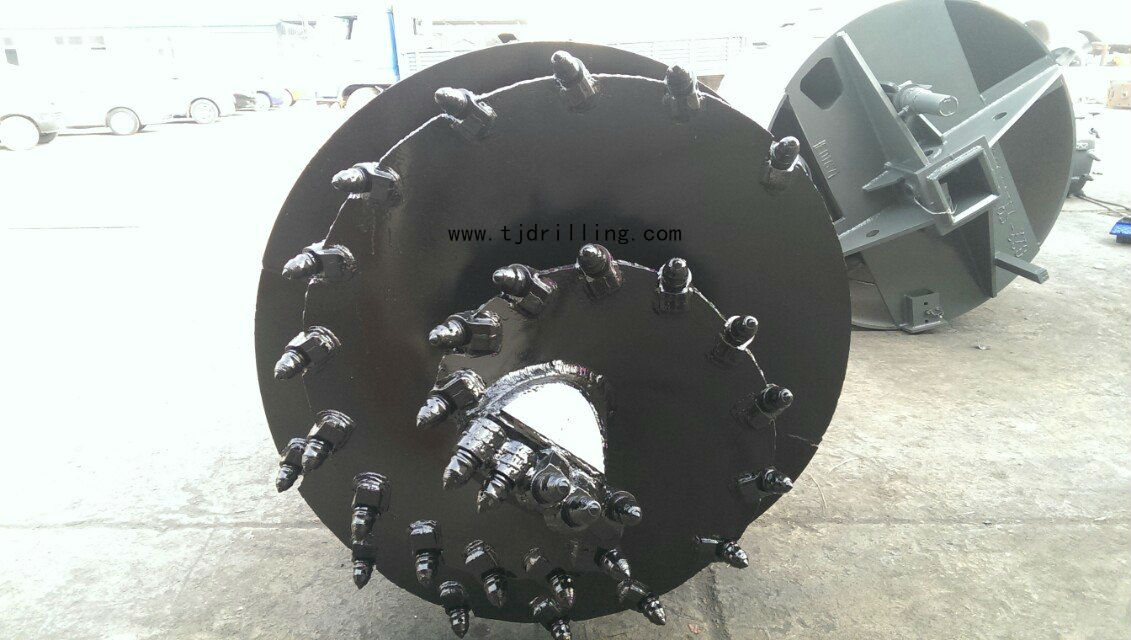
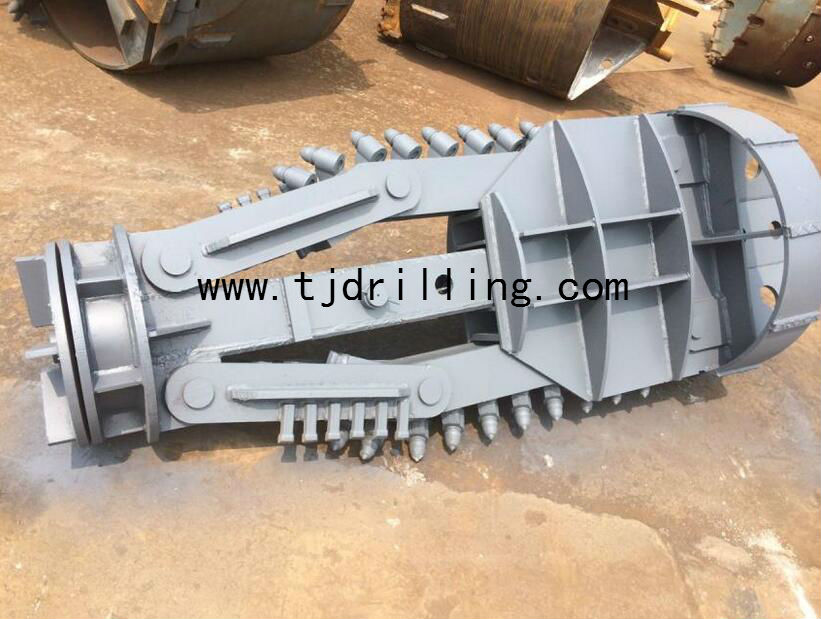
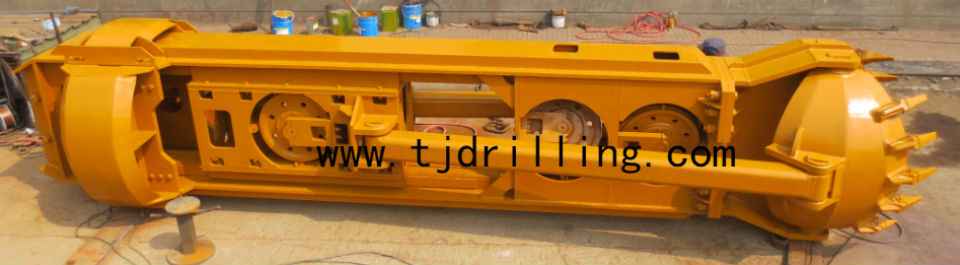
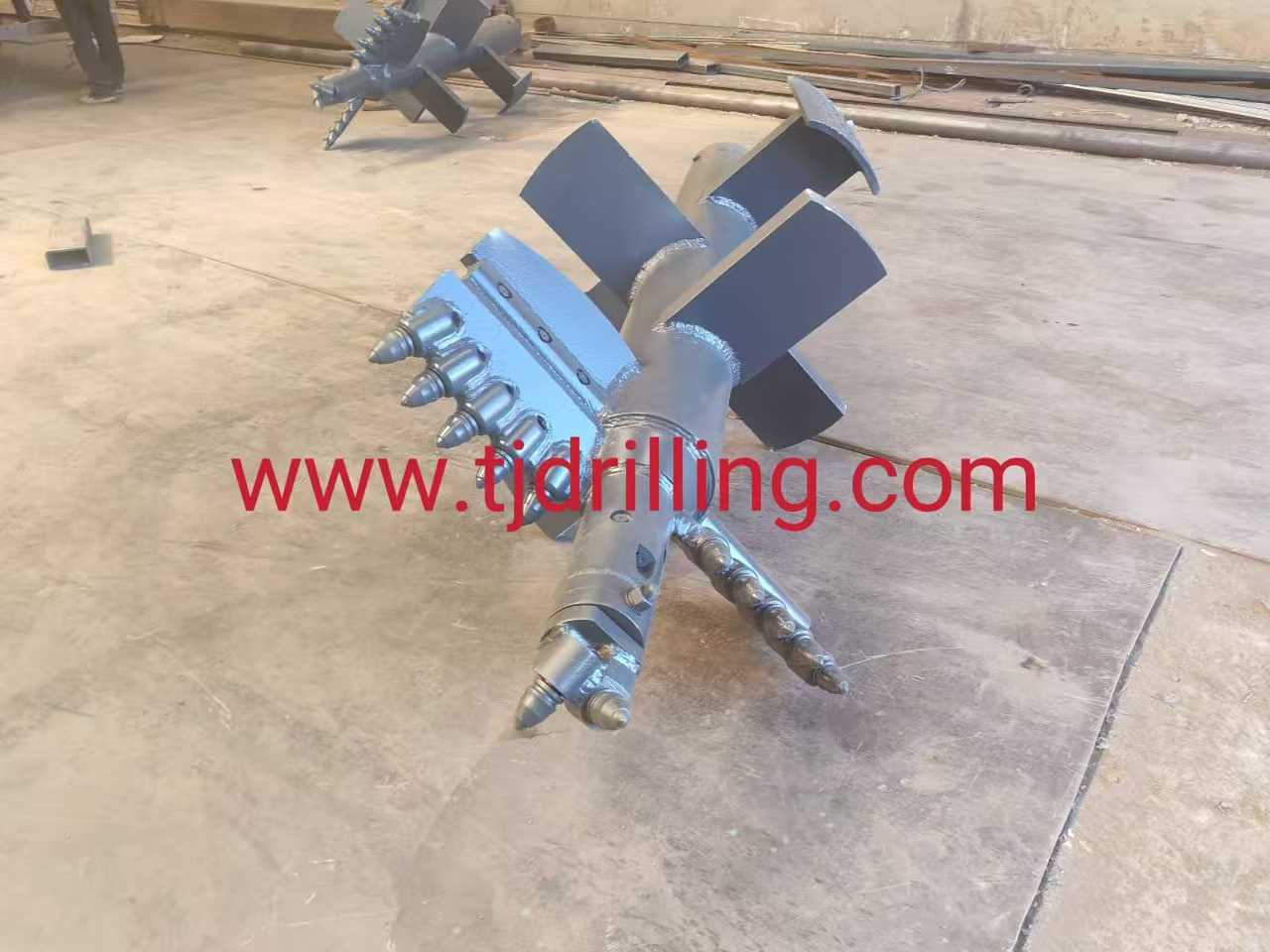
A soil mixer uses augers, blades, or rotary tools to cut into the ground while injecting a binder. As the tool penetrates and withdraws, it breaks up the soil and thoroughly blends it with the binder, forming a dense and stable mass.
The binder dosage and mixing speed are adjusted to suit the soil type and engineering specifications. This precise control ensures that the treated ground achieves the required strength, stiffness, and durability.